

Uterine Fibroids Specialist in Glendale, CA
Uterine fibroids are common growths that can cause heavy bleeding, pelvic pressure, and discomfort. At The OB-Gyn & Incontinence Center, Dr. Prema Kothandaraman, MD, provides compassionate, personalized care to help women find relief. Using advanced diagnostics and tailored treatment plans, she works closely with each patient to manage symptoms and improve overall reproductive health. For more information, contact us or book an appointment online. We are conveniently located at 1505 Wilson Terrace #320, Glendale, CA 91206.
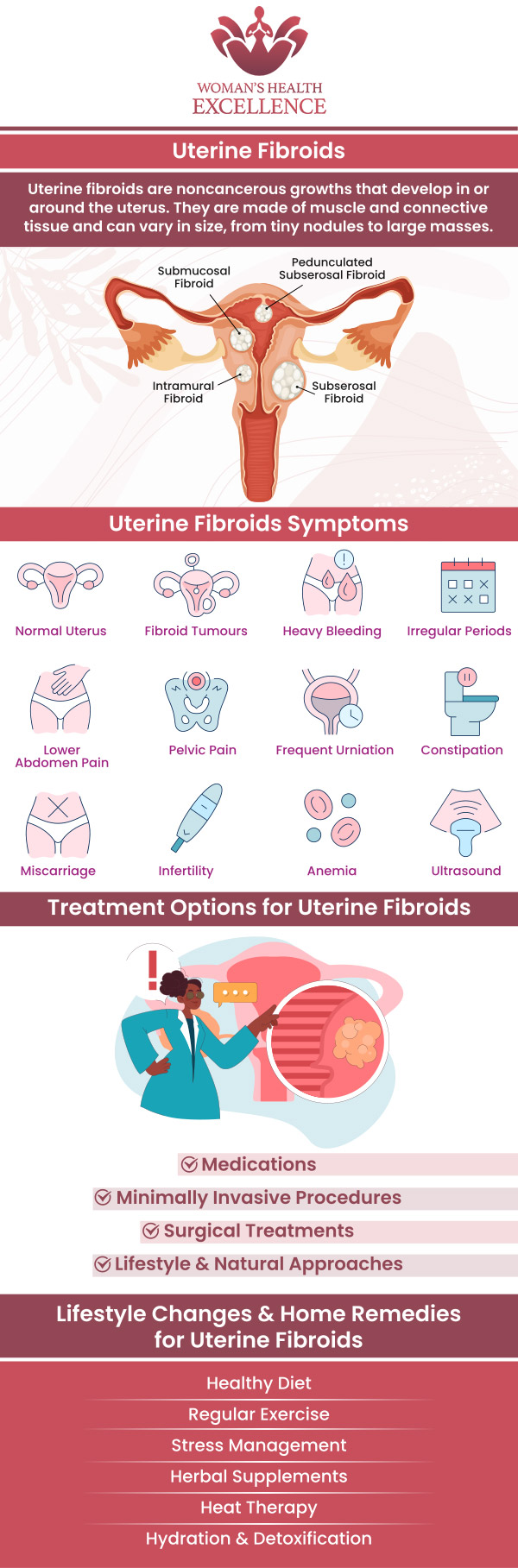
Table of Contents:
Can fibroids become cancerous?
Do all fibroids require treatment?
What are the treatment options for uterine fibroids?
How might fibroids affect fertility or pregnancy?
Minimally Invasive Fibroid Care by Dr. Prema Kothandaraman
Fibroids, also known as uterine leiomyomas, are noncancerous growths that develop from the muscle tissue of the uterus. At The OB-Gyn & Incontinence Center, we frequently diagnose and manage fibroids, as they are very common among women of reproductive age.
A common concern we hear from our patients is whether fibroids can become cancerous. The good news is that the vast majority of fibroids are benign and do not turn into cancer. The risk of a fibroid transforming into a cancerous tumor (leiomyosarcoma) is extremely rare—occurring in less than 1 out of every 1,000 cases. Research also shows that leiomyosarcoma typically develops independently, not from a pre-existing fibroid, so having fibroids does not increase your risk of uterine cancer.
Your health and peace of mind are our priorities. While most fibroids are harmless, there are certain circumstances—such as rapid fibroid growth after menopause or unusual findings on ultrasound or MRI—when we may recommend further evaluation. This could include additional imaging or, occasionally, surgical removal to ensure accurate diagnosis and optimal care.
We encourage all our patients to maintain regular gynecological check-ups. Our experienced providers use the latest diagnostic tools to monitor fibroids and other uterine conditions, address your symptoms, and answer any questions you may have about your reproductive health.
At The OB-Gyn & Incontinence Center, we understand that every woman’s health needs are unique—especially when it comes to uterine fibroids. Uterine fibroids are noncancerous growths that often develop during a woman’s childbearing years. Many women with fibroids do not experience any symptoms, and in these cases, treatment may not be necessary. Our experienced providers often recommend a personalized approach of observation, also known as “watchful waiting,” for fibroids that are small, not causing symptoms, and not growing rapidly.
However, if fibroids begin to cause troublesome symptoms—such as heavy menstrual bleeding, pelvic pain or pressure, frequent urination, or challenges with fertility—our team is here to help. We offer comprehensive evaluation and a range of treatment options tailored to your individual needs and goals. Factors such as the size and location of the fibroids, severity of symptoms, age, and fertility plans all play a role in determining the best course of care.
For women whose fibroids are not causing symptoms, we provide regular monitoring through pelvic exams and advanced imaging to ensure your continued well-being. Should your symptoms change or new concerns arise, our specialists will work with you to discuss the most appropriate and effective treatment options.
At The OB-Gyn & Incontinence Center, we understand that uterine fibroids—a common, noncancerous growth of the uterus—can significantly impact your quality of life, especially during your childbearing years. Our experienced team specializes in comprehensive evaluation and personalized treatment of uterine fibroids, with a strong focus on your overall health, comfort, and future fertility.
We recognize that every woman’s situation is unique. Our approach to treating uterine fibroids takes into account the size and location of your fibroids, the severity of your symptoms, your age, and your desire to preserve fertility.
● Watchful Waiting: For women with mild or no symptoms, we may recommend monitoring their fibroids with regular checkups to watch for changes or symptom progression.
● Minimally Invasive Procedures: Our team provides advanced, minimally invasive options such as uterine artery embolization—a procedure that blocks blood flow to the fibroids, causing them to shrink. We also offer MRI-guided focused ultrasound surgery, a noninvasive treatment that uses targeted sound waves to destroy fibroid tissue.
● Surgical Treatments: For women with larger or multiple fibroids, or if other treatments have not been effective, our surgeons are skilled in both myomectomy (removal of fibroids while preserving the uterus, ideal for women wishing to maintain fertility) and hysterectomy (removal of the uterus), which is a definitive solution for severe symptoms or women who have completed childbearing.
Choosing the right treatment for uterine fibroids is a highly personal decision. We work closely with you to develop a treatment plan tailored to your unique needs and reproductive goals. We are committed to providing the highest quality of care, whether you are seeking symptom relief, fertility preservation, or definitive treatment.
We understand that uterine fibroids—noncancerous growths developing in or on the uterus—can raise many questions and concerns, especially regarding fertility and pregnancy. Our team specializes in the diagnosis and personalized management of fibroids, helping women achieve their reproductive goals and maintain optimal health.
The influence of fibroids on fertility varies depending on their size, number, and location. While many women with fibroids experience no symptoms and are able to conceive and carry pregnancies without difficulty, certain types of fibroids—especially those that distort the uterine cavity or block the fallopian tubes—can make it harder to become or remain pregnant. Submucosal fibroids, which grow just beneath the uterine lining, are particularly likely to disrupt embryo implantation and reduce fertility.
If you are pregnant or planning a pregnancy, our experienced OB-GYN specialists can help assess how fibroids may affect your pregnancy. While many women with fibroids have healthy pregnancies, larger or strategically located fibroids can sometimes lead to complications such as miscarriage, preterm labor, placental abruption, or a need for cesarean delivery. Some women may experience increased pain or bleeding during pregnancy, and in rare cases, fibroids can affect the baby’s growth or position.
When procedures are needed, Dr. Kothandaraman specializes in minimally invasive treatments that reduce downtime and discomfort. These options help shrink fibroids, lessen heavy bleeding, and improve pelvic comfort without major surgery. We offer state-of-the-art imaging and diagnostic tools to evaluate the size, number, and placement of fibroids. Our providers work closely with you to develop a management plan tailored to your unique needs, whether you are trying to conceive, are currently pregnant, or are seeking relief from fibroid symptoms. For more information, contact us or book an appointment online. We are conveniently located at 1505 Wilson Terrace #320, Glendale, CA 91206. We serve patients from Glendale CA, Psadena CA, Alhambra CA, Arcadia CA, Burbank CA, San Marino CA, Altadena CA and surrounding areas.
Check Out Our 5 Star Reviews



Additional Services You May Need
▸ Urogynecology
▸ Minimally Invasive Gynecology
▸ Monalisa & Medical Aesthetics
▸ Bioidentical Hormone Replacement Therapy
▸ Urinary Incontinence
▸ Pelvic Organ Prolapse
▸ Painful Bladder
▸ Urinary Tract Infection
▸ Genitourinary Syndrome of Menopause
▸ Female Sexual Dysfunction
▸ Urinary Retention
▸ Vaginal Laxity & Prolapse
▸ Postpartum Pelvic Floor Problems
▸ PCOD
▸ Bladder Prolapse Repair
▸ Urgent PC
▸ Fibroids
▸ Excessive Bleeding
▸ Pelvic Pain
▸ Birth Control & IUD
▸ Vaginal & Pelvic Infection
▸ Monalisa Touch
▸ STD
▸ TempsureVitalia
▸ Biote Pellet Therapy
▸ Topical BHRT
▸ Flexsure
▸ Rectal Prolapse Repair
▸ Tempsure ENVI
▸ Minimally Invasive Pelvic Surgery for Incontinence


 Send Text
 How May I Help You?