
Polycystic Ovarian Syndrome (PCOS) Management in Arcadia, CA
Polycystic ovary syndrome (PCOS) is a common hormonal disorder that can affect menstrual cycles, ovulation, fertility, and overall reproductive health. PCOS was renamed polyendocrine metabolic ovarian syndrome (PMOS) to better reflect its broader hormonal and metabolic effects on the body. Women with this condition may experience irregular periods, excessive facial or body hair growth, acne, hair thinning, weight gain, and difficulty becoming pregnant. At The OB-Gyn & Incontinence Center, Dr. Prema Kothandaraman, MD, provides personalized evaluations and treatment options to help women manage symptoms and improve their hormonal health. Our team focuses on addressing menstrual irregularities, hormonal imbalances, and long-term reproductive wellness. For more information, contact us today or book an appointment online. We are conveniently located at 622 W Duarte Rd Ste 305 Arcadia, CA 91007.

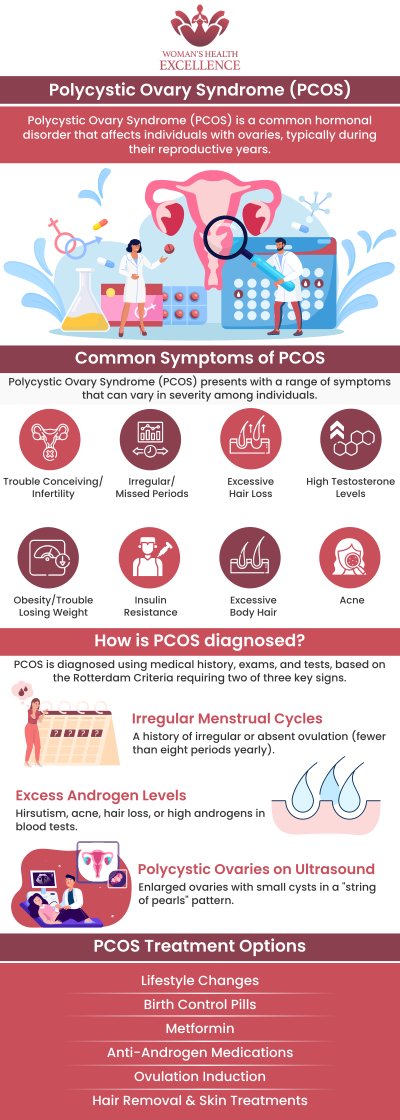
Table of Contents:
Meet Your Specialist: Dr. Prema Kothandaraman, MD
Warning Signs and Symptoms of PMOS
Long-Term Health and Metabolic Risks
How PMOS Evolves with Age
Main Causes and Underlying Risk Factors
What is the difference between PCOS and PMOS?
Can I still get pregnant if I have PMOS?
Will my PMOS symptoms go away after menopause?
Does losing weight cure PMOS?
What Our Patients Are Saying
Take Control of Your Health Today
Polycystic Metabolic Ovarian Syndrome (PMOS)—historically known as Polycystic Ovary Syndrome (PCOS)—is a lifelong health condition that affects anywhere from 6% to 12% of females in the United States. For many years, the medical community’s use of the term “PCOS” over-focused on the presence of ovarian cysts. In reality, these are not actually true cysts, but rather underdeveloped follicles. Today, Dr. Prema Kothandaraman, MD, uses the updated term PMOS to better highlight what this condition truly is: a broad hormonal and metabolic disorder involving insulin resistance, type 2 diabetes risks, and significant cardiovascular implications.
Medical Update: Polycystic Ovary Syndrome (PCOS) has been officially renamed by the global medical community to Polyendocrine Metabolic Ovarian Syndrome (PMOS). While we still use the term PCOS on this page so patients can easily find the care they need, PMOS is a more accurate name. It reflects that this is a whole-body hormonal and metabolic condition, not just an issue with ovarian cysts.
Meet Your Specialist: Dr. Prema Kothandaraman, MD
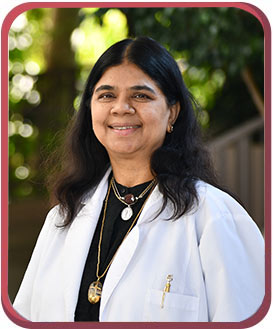
Dr. Prema Kothandaraman is a highly respected, board-certified specialist with over 25 years of experience dedicated to women’s health, urogynecology, and minimally invasive treatments. She brings extensive specialized expertise to diagnosing and managing complex hormonal and metabolic conditions like PMOS.
• Board Certification: Board Certified in Obstetrics and Gynecology by the American Board of Obstetrics and Gynecology.
• Top-Tier Education & Training: She completed her internship at Yale University, her residency in Obstetrics and Gynecology at The Mount Sinai Hospital in New York, and her fellowship in Urogynecology at the Cleveland Clinic.
• Specialized Expertise: Urogynecology, Minimally Invasive Pelvic Surgery, General Gynecology, and Hormone Therapy.
• Patient Philosophy: Combining advanced medical technology with empathy, sincerity, and dedicated individualized care. Being a mother herself, Dr. Prema understands the issues and concerns that women face and strives to improve every patient’s quality of life.
Dr. Prema often reminds her patients that PMOS symptoms can be subtle, varied, and highly individual. Because patients rarely experience every single symptom at once, diagnosing the condition requires a doctor who truly listens to your unique body changes. Common symptoms Dr. Prema looks for include:
• Irregular or missed periods: A hallmark sign of hormonal imbalance.
• Difficulty maintaining a stable weight: Over 50% of women with PMOS struggle with unexplained weight gain and find it incredibly difficult to lose weight through traditional diet and exercise alone.
• Increased hair growth (Hirsutism): Noticeable hair growth specifically on the face, back, chest, and buttocks.
• Thinning hair: Hair loss from the head, similar to male-pattern baldness.
• Acne or excessively oily skin: Often persisting well beyond the teenage years.
• Struggling to get pregnant: This is frequently due to irregular ovulation and the presence of underdeveloped follicles in the ovaries.
Because these symptoms are often dismissed by others as normal stress or simply a “part of menstruation,” women frequently go years without an accurate diagnosis. Dr. Prema Kothandaraman is dedicated to changing that narrative by providing accurate, compassionate care that addresses your whole-body health, not just isolated symptoms.
Dr. Prema emphasizes to her patients that while PMOS itself isn’t immediately life-threatening, proactive treatment is absolutely crucial. Her primary goal at The OB-Gyn & Incontinence Center is to help you manage your symptoms today so we can prevent long-term metabolic complications tomorrow.
Because PMOS is deeply rooted in insulin resistance and carries broad cardiovascular implications, patients with unmanaged PMOS are at an increased risk of developing several serious conditions over their lifetime:
• Infertility, miscarriage, or premature birth
• Gestational diabetes and increased blood pressure during pregnancy
• Type 2 diabetes and severe insulin resistance
• Increased build-up of fat in the liver (leading to inflammation or nonalcoholic steatohepatitis)
• Sleep apnea and chronic fatigue
• Endometrial cancer (cancer of the uterine lining)
• Anxiety, depression, and eating disorders
• Obesity (which can further increase the risk of other systemic health conditions)
• Stroke and cardiovascular disorders
The symptoms and associated metabolic risks of PMOS persist throughout a patient’s entire life. Receiving a precise diagnosis and a customized treatment plan from a specialist is incredibly important to safeguard your long-term health.
Dr. Prema Kothandaraman partners with her patients through every stage of life, adapting their care as their bodies change. As you age, your symptoms may not necessarily worsen, but we will shift your treatment focus from reproductive and fertility concerns to protecting your metabolic and cardiovascular health.
Once patients age out of their reproductive years, the risk of obesity, type 2 diabetes, cardiovascular disease, and high cholesterol increases significantly due to the inherently metabolic nature of the syndrome. Additionally, outward symptoms of hirsutism—such as the thinning of head hair and increased body or facial hair—tend to become more pronounced with age. Consistent, specialized, and forward-looking care helps mitigate these age-related shifts.
While there is no single known cause of PMOS, Dr. Prema closely evaluates several core risk factors that can trigger or exacerbate the condition as you age into your reproductive years:
•Genetics and Heredity: A family history of PMOS (or PCOS) is one of the strongest indicators and risk factors.
• High Androgen Levels: If your ovaries produce higher-than-typical levels of androgen (male hormones), it results in common PMOS symptoms like severe acne, hirsutism, and ovulation issues.
• Insulin Resistance: If your body has an increased resistance to insulin, your risk for PMOS rises dramatically. Excess insulin in the bloodstream can actually signal the body to increase androgen production, creating a cycle that drives both reproductive and broader metabolic issues.
What is the difference between PCOS and PMOS?
PMOS is simply the updated, more accurate medical term for PCOS that highlights its whole-body metabolic and hormonal impact rather than just focusing on the ovaries.
Yes; while PMOS can make getting pregnant more difficult due to irregular ovulation, Dr. Prema can provide treatments to manage your condition and help improve your fertility.
No; while reproductive symptoms may shift, the metabolic risks like cardiovascular disease and diabetes actually increase with age, requiring lifelong management.
There is no cure for PMOS, but maintaining a healthy weight with Dr. Prema’s specialized guidance can significantly reduce the severity of your symptoms and lower long-term health risks.
I am very happy after coming to Dr.Prema, I came in with bandera symptoms.. leaking all of the time. After she did my surgery, I am no longer leaking and feel like a different person. She also put the biote injection for me and it has helped me so much with more energy and no longer have joint pain.
– Cenobia Maya
I have been coming to see dr prema, she recommended I get surgery for my bladder and biote. The biote has helped me so much with my sleep and energy. With my bladder, I no longer have incontinence, I can now hold in my urine and not leak anymore. For any women that are going through the same problems, I would definitely recommend coming to see dr prema and all of her staff, everyone is amazing.
– Yoly Arriola
I’ve been a patient of Dr Prema for many years and she introduced me to Biote. I was having menopausal symptoms and after using biote, I feel so much better. Now I can sleep, no more hot flashes and have so much more energy. I definitely recommend Dr Prema’s office. Her staff are great and if anyone is scared of hormones, I was once scared also and have not regretted going on biote.
– Rosa Nunez
You don’t have to navigate PMOS alone, and you don’t have to accept feeling less than your best. Whether you are dealing with irregular periods, unexplained weight gain, or fertility concerns, expert help is just a phone call away. We serve patients from Temple City, CA, East San Gabriel CA, San Marino CA, Rosemead CA, Monrovia CA, North El Monte CA, Alhambra CA, Pasadena CA and surrounding areas.
Check Out Our 5 Star Reviews



Additional Services You May Need
▸ Urogynecology
▸ Minimally Invasive Gynecology
▸ Monalisa & Medical Aesthetics
▸ Bioidentical Hormone Replacement Therapy
▸ Urinary Incontinence
▸ Pelvic Organ Prolapse
▸ Painful Bladder
▸ Urinary Tract Infection
▸ Genitourinary Syndrome of Menopause
▸ Female Sexual Dysfunction
▸ Urinary Retention
▸ Vaginal Laxity & Prolapse
▸ Postpartum Pelvic Floor Problems
▸ PCOD
▸ Bladder Prolapse Repair
▸ Urgent PC
▸ Fibroids
▸ Excessive Bleeding
▸ Pelvic Pain
▸ Birth Control & IUD
▸ Vaginal & Pelvic Infection
▸ Monalisa Touch
▸ STD
▸ TempsureVitalia
▸ Biote Pellet Therapy
▸ Topical BHRT
▸ Flexsure
▸ Rectal Prolapse Repair
▸ Tempsure ENVI
▸ Minimally Invasive Pelvic Surgery for Incontinence


 Send Text
 How May I Help You?