

What Is Vaginismus and How Is It Treated?
Vaginismus is a condition that causes involuntary tightening of the pelvic floor muscles around the vaginal opening, making penetration painful or difficult. At The OB-GYN & Incontinence Center, Dr. Prema Kothandaraman, MD, FACOG, provides gynecological care to help women address pelvic pain, vaginal discomfort, and related concerns. Understanding the possible causes, recognizing symptoms, and discussing appropriate treatment options can help women take steps toward improved comfort and pelvic health. For more information, contact us today or book an appointment. We are conveniently located at 622 W Duarte Rd Ste 305 Arcadia, CA 91007.
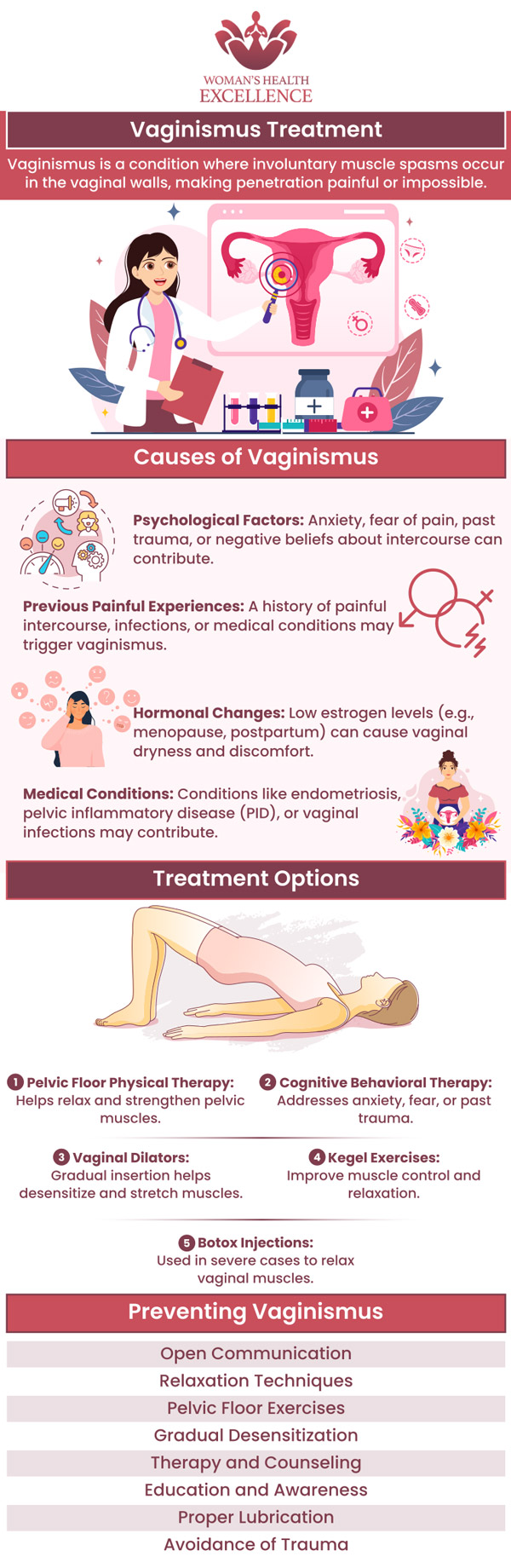
Table of Contents:
What is vaginismus?
What causes vaginismus?
How do you know if you have vaginismus?
How is vaginismus diagnosed?
How common is vaginismus?
Can vaginismus develop suddenly?
Does vaginismus affect fertility?
Can you have vaginismus without having pain during sex?
Can vaginismus go away on its own?
Is vaginismus the same as dyspareunia?
Personalized Vaginismus Care With Dr. Prema Kothandaraman
Medical References
Vaginismus is a condition in which the muscles around the vaginal opening tighten involuntarily when vaginal penetration is attempted or expected. This tightening can cause pain, discomfort, or difficulty with penetration during sexual activity, tampon insertion, or gynecological examinations.
The muscle tightening is an automatic physical response, not something a person consciously controls. Some women experience vaginismus from their first attempt at penetration, while others develop symptoms after previously having comfortable sexual activity or gynecological examinations.
Vaginismus can affect physical comfort, intimate relationships, and emotional well-being. However, treatment can help reduce muscle tension, address pain, and improve comfort with vaginal penetration. Understanding the underlying causes is an important first step toward finding an appropriate treatment approach.
There is no single cause of vaginismus. It can develop through a combination of physical, emotional, and psychological factors. In some cases, the exact reason for the involuntary muscle tightening is not clear.
Common contributing factors include:
• Fear of pain: Expecting penetration to hurt can trigger involuntary tightening of the pelvic floor muscles.
• Previous painful experiences: Pain during intercourse, pelvic examinations, or other vaginal procedures may contribute to muscle guarding.
• Sexual trauma: A history of sexual assault or abuse may contribute to anxiety and physical responses associated with penetration.
• Anxiety and emotional stress: Fear, stress, and concerns about sexual activity can contribute to increased pelvic floor muscle tension.
• Pelvic pain or medical conditions: Infections, vaginal irritation, painful pelvic conditions, or previous surgery may contribute to discomfort and muscle tightening.
• Difficult medical experiences: An uncomfortable gynecological examination or other painful experience may contribute to symptoms.
It is important to understand that vaginismus is not always caused by psychological factors. Physical discomfort can trigger muscle tightening, and the resulting pain may create a cycle of fear and further muscle tension. Identifying contributing factors helps guide treatment.
Vaginismus may be present when vaginal penetration repeatedly causes involuntary muscle tightening, pain, or difficulty. Symptoms can vary from mild discomfort to an inability to tolerate penetration.
Common signs and symptoms include:
• Pain or discomfort during vaginal intercourse.
• Difficulty inserting tampons or menstrual products.
• Involuntary tightening around the vaginal opening.
• Burning, stinging, or pressure during attempted penetration.
• Difficulty tolerating a pelvic examination.
• Anxiety or fear related to anticipated penetration.
Some women experience symptoms only during certain activities, while others experience discomfort with almost any attempt at vaginal penetration.
These symptoms do not automatically confirm vaginismus. Other conditions, including vulvodynia, vaginal infections, vaginal dryness, and pelvic floor disorders, can cause similar discomfort.
A gynecologist typically begins with a discussion of symptoms, medical history, sexual health concerns, and previous experiences with vaginal discomfort. This helps identify when symptoms started, what triggers them, and whether other medical conditions may be contributing.
A pelvic examination may be recommended to evaluate the pelvic floor muscles and check for other possible causes of pain. However, the examination should be approached carefully and adjusted to the patient’s comfort level.
Patients should feel comfortable communicating if they experience pain or anxiety during an examination. A clinician can discuss each step beforehand, pause when needed, and consider alternative approaches when an examination cannot be tolerated.
At The OB-Gyn & Incontinence Center in Arcadia, CA, Dr. Prema Kothandaraman, MD, FACOG, evaluates women’s gynecological and pelvic health concerns, including pelvic pain and female sexual health concerns. An individualized assessment can help determine whether vaginismus or another condition may be contributing to symptoms.
Vaginismus is a recognized condition, but its exact prevalence is difficult to determine. Research findings vary because studies use different definitions, diagnostic methods, and populations.
Some studies have reported rates of approximately 1% to 7% in general populations, while other studies have found different estimates. Differences in reporting, stigma surrounding sexual health, and reluctance to seek medical care may also affect the available data.
Although prevalence estimates vary, painful or difficult penetration is a concern that deserves medical attention. Women should not feel embarrassed about discussing these symptoms with a gynecologist.
Frequently Asked Questions About Vaginismus
Yes. Vaginismus can develop at any stage of life, including after years of comfortable sexual activity. Painful experiences, pelvic conditions, anxiety, or other physical and emotional factors may contribute to its development.
Vaginismus does not directly affect ovulation or the reproductive organs. However, difficulty with vaginal penetration may make sexual intercourse and conception more challenging for some women. A gynecologist can discuss appropriate options based on individual circumstances.
Yes. Some women primarily experience involuntary tightening or difficulty with penetration rather than severe pain. Symptoms may also occur during tampon insertion or pelvic examinations without affecting every type of sexual activity.
Symptoms may change over time, but persistent vaginismus often benefits from professional evaluation and treatment. Addressing contributing physical and emotional factors can help improve comfort and muscle control.
No. Dyspareunia refers to pain during sexual intercourse, while vaginismus involves involuntary tightening of the pelvic floor muscles associated with attempted penetration. The conditions can overlap, and both may require evaluation to identify the cause of discomfort.
Dr. Prema Kothandaraman, MD, FACOG, provides gynecological and urogynecological care at The OB-Gyn & Incontinence Center. Her practice focuses on concerns involving pelvic pain, female sexual dysfunction, urinary incontinence, pelvic organ prolapse, and vaginal and vulvar health.
For women experiencing symptoms of vaginismus, Dr. Kothandaraman begins by considering their symptoms, medical history, pelvic floor function, and individual concerns. This evaluation helps identify possible contributing factors and determine whether additional assessment or treatment is needed.
Treatment recommendations may include relaxation techniques, education, and counseling recommendations when appropriate. We also provide care for related gynecological and pelvic health concerns, allowing patients to discuss overlapping symptoms as part of their evaluation. For more information, contact us today or book an appointment. We are conveniently located at 622 W Duarte Rd Ste 305 Arcadia, CA 91007. We serve patients from Arcadia CA, Temple City CA, East San Gabriel CA, San Marino CA, Rosemead CA, Monrovia CA, North El Monte CA, Alhambra CA, and Pasadena CA.
MedlinePlus – Vaginismus. National Library of Medicine.
Cleveland Clinic – Vaginismus: Causes, Symptoms, Diagnosis & Treatment.
ACOG – When Sex Is Painful. American College of Obstetricians and Gynecologists.
Fifth International Consultation on Sexual Medicine – Definitions, Classification, and Epidemiology of Sexual Dysfunction.
NHS – Vaginismus. Patient guidance on symptoms and treatment.
Check Out Our 5 Star Reviews



Additional Services You May Need
▸ Urogynecology
▸ Minimally Invasive Gynecology
▸ Monalisa & Medical Aesthetics
▸ Bioidentical Hormone Replacement Therapy
▸ Urinary Incontinence
▸ Pelvic Organ Prolapse
▸ Painful Bladder
▸ Urinary Tract Infection
▸ Genitourinary Syndrome of Menopause
▸ Female Sexual Dysfunction
▸ Urinary Retention
▸ Vaginal Laxity & Prolapse
▸ Postpartum Pelvic Floor Problems
▸ PCOD
▸ Bladder Prolapse Repair
▸ Urgent PC
▸ Fibroids
▸ Excessive Bleeding
▸ Pelvic Pain
▸ Birth Control & IUD
▸ Vaginal & Pelvic Infection
▸ Monalisa Touch
▸ STD
▸ TempsureVitalia
▸ Biote Pellet Therapy
▸ Topical BHRT
▸ Flexsure
▸ Rectal Prolapse Repair
▸ Tempsure ENVI
▸ Minimally Invasive Pelvic Surgery for Incontinence


 Send Text
 How May I Help You?