

How Do Comprehensive Vaginismus Treatment and Support Services Help Women?
Comprehensive vaginismus treatment focuses on addressing both the physical and emotional aspects of the condition to help women regain comfort and confidence. With the right guidance, many women experience meaningful improvements in comfort and quality of life. At The OB-Gyn & Incontinence Center, Dr. Prema Kothandaraman provides care tailored to each patient’s needs with a compassionate and supportive approach. Treatment plans focus on helping women feel understood and supported while working toward long-term relief and improved pelvic health. For more information, contact us today or book an appointment online. We have convenient locations to serve you in Arcadia, and Glendale, CA.
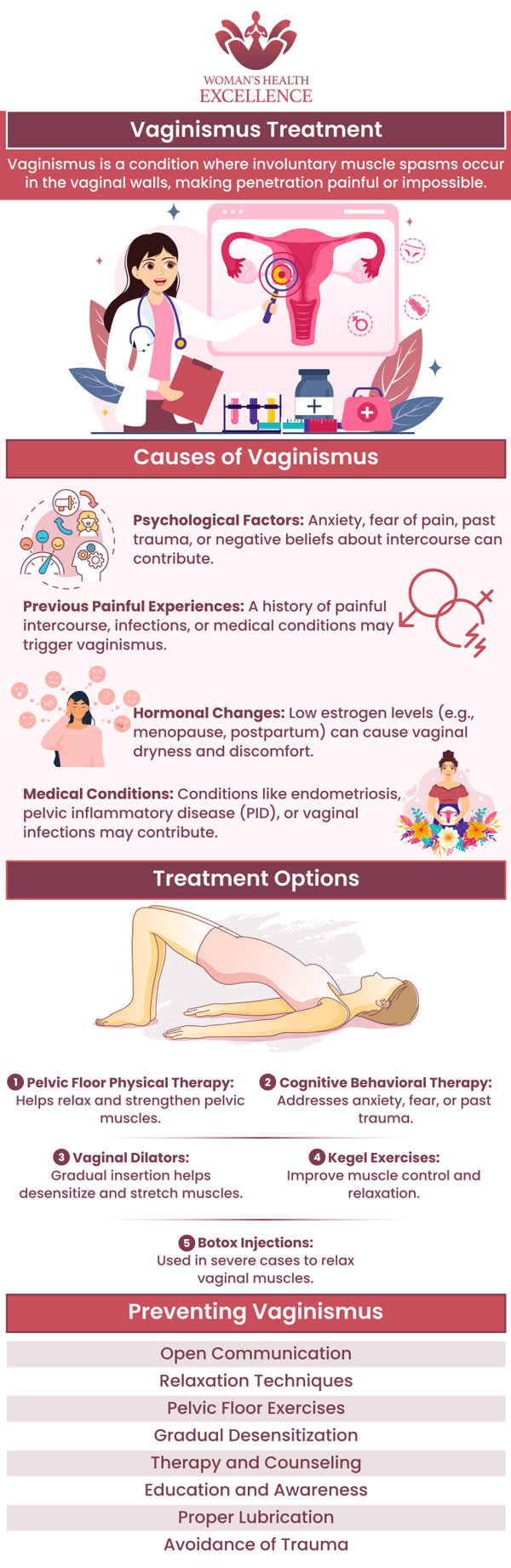
Table of Contents:
What is vaginismus and what causes it?
How long does vaginismus treatment take to show results?
Can vaginismus occur after childbirth or pelvic surgery?
How effective are treatments for vaginismus?
Why choose Dr. Prema Kothandaraman At The OB-Gyn & Incontinence Center for Vaginismus Treatment?
At The OB-Gyn & Incontinence Center, we understand that conditions affecting pelvic health can be both physically and emotionally challenging. One such condition is vaginismus, a condition where the pelvic floor muscles tighten involuntarily, making vaginal penetration uncomfortable, painful, or sometimes difficult. This muscle response is not something a person can control and can occur during intercourse, tampon use, or pelvic exams. The condition can affect both physical comfort and emotional well-being, but with supportive care, many women see improvement.
Common causes of vaginismus include:
● Fear or anxiety about pain during penetration
● Previous painful sexual experiences
● Emotional stress or relationship concerns
● History of sexual trauma or negative experiences
● Pelvic floor muscle tension or dysfunction
● Hormonal changes that cause vaginal dryness
● Medical conditions causing pelvic pain
● Childbirth or pelvic surgery
● Lack of sexual education or fear related to intercourse
● Past infections or inflammation
● Psychological factors such as anxiety or fear of intimacy
At The OB-Gyn & Incontinence Center, patients receive compassionate, personalized care to help identify the causes of vaginismus and explore supportive treatment options. Our team focuses on creating a comfortable environment where women can feel heard, supported, and guided toward improved pelvic health and overall well-being.
At The OB-Gyn & Incontinence Center, we understand that the journey to overcoming vaginismus is unique for every patient. The duration of treatment and the time it takes to see results can vary significantly, depending on the underlying causes, the severity of symptoms, and the most effective treatment approach for you.
The timeline for vaginismus treatment can vary from person to person depending on the severity of symptoms, underlying causes, and how consistently therapy techniques are followed. Some women may notice small improvements within a few weeks, such as reduced muscle tension or increased comfort, while others may take a few months to experience more significant progress. Gradual improvement is common as the body and mind adjust to treatment.
Consistency and a supportive care plan play an important role in how quickly results appear. Following recommended exercises, attending follow-up visits, and maintaining open communication with your provider can help support steady progress. With patience and the right approach, many women experience meaningful improvements in comfort and confidence over time.
At The OB-Gyn & Incontinence Center, we emphasize that patience and persistence are key. Overcoming vaginismus is often a gradual process, but with compassionate care and evidence-based treatments, most of our patients experience significant improvement—and in many cases, full resolution of symptoms. We’re here to support you every step of the way.
Vaginismus can sometimes develop after childbirth or pelvic surgery. Physical changes, discomfort during healing, or fear of pain can cause the pelvic floor muscles to tighten involuntarily. This response is often the body’s way of protecting itself after a stressful or painful experience, even when healing is progressing normally.
Hormonal changes, scar tissue, or emotional stress related to childbirth or surgery can also contribute to muscle tension and discomfort. Some women may notice symptoms such as pain with penetration, difficulty using tampons, or increased anxiety around pelvic exams. Early evaluation and supportive care can help address these concerns and improve comfort over time.
At The OB-Gyn & Incontinence Center in Arcadia and Glendale, CA, care is tailored to help women understand the cause of their symptoms and explore supportive treatment options. Our team focuses on compassionate guidance and personalized care to support recovery and improve pelvic health after childbirth or surgery.
At The OB-Gyn & Incontinence Center, we understand how deeply vaginismus can impact your quality of life. Vaginismus is a condition where the vaginal muscles involuntarily contract, often making penetration painful or sometimes impossible.
Treatments for vaginismus can be very effective, especially when care is personalized and approached with patience and support. Many women experience significant improvement in comfort and muscle control with the right combination of education, guided therapy, and gradual techniques. Progress may take time, but consistent care often leads to meaningful relief and improved confidence.
Effectiveness can vary depending on factors such as the severity of symptoms, underlying causes, and how early treatment begins. Supportive care that addresses both physical muscle tension and emotional concerns tends to provide the best outcomes. Open communication and a supportive environment also play an important role in helping patients feel comfortable throughout the process.
At The OB-Gyn & Incontinence Center, treatment plans are tailored to each individual’s needs with a compassionate approach focused on long-term comfort and pelvic health. Patients receive supportive care designed to help them progress at their own pace while working toward improved quality of life.
Dr. Prema Kothandaraman, MD, FACOG, is known for her compassionate and individualized approach to women’s pelvic health, helping patients feel comfortable discussing sensitive concerns like vaginismus. She takes time to understand each patient’s symptoms, medical history, and personal goals to create a care plan that focuses on comfort, education, and gradual progress. Her supportive communication style helps patients feel heard and confident throughout their treatment journey.
At The OB-Gyn & Incontinence Center in Arcadia and Glendale, CA, Dr. Prema Kothandaraman, MD, FACOG, provides personalized care designed to address both the physical and emotional aspects of vaginismus. Patients benefit from a welcoming environment, thoughtful guidance, and ongoing support aimed at improving comfort and quality of life. Her patient-centered approach makes her a trusted choice for women seeking compassionate vaginismus care.
For more information, contact us today or book an appointment online. We have convenient locations to serve you in Arcadia, and Glendale, CA. We serve patients from Arcadia CA, Glendale CA, Monrovia CA, Pasadena CA, Los Angeles CA, Burbank CA, and surrounding areas.
Check Out Our 5 Star Reviews



Additional Services You May Need
▸ Urogynecology
▸ Minimally Invasive Gynecology
▸ Monalisa & Medical Aesthetics
▸ Bioidentical Hormone Replacement Therapy
▸ Urinary Incontinence
▸ Pelvic Organ Prolapse
▸ Painful Bladder
▸ Urinary Tract Infection
▸ Genitourinary Syndrome of Menopause
▸ Female Sexual Dysfunction
▸ Urinary Retention
▸ Vaginal Laxity & Prolapse
▸ Postpartum Pelvic Floor Problems
▸ PCOD
▸ Bladder Prolapse Repair
▸ Urgent PC
▸ Fibroids
▸ Excessive Bleeding
▸ Pelvic Pain
▸ Birth Control & IUD
▸ Vaginal & Pelvic Infection
▸ Monalisa Touch
▸ STD
▸ TempsureVitalia
▸ Biote Pellet Therapy
▸ Topical BHRT
▸ Flexsure
▸ Rectal Prolapse Repair
▸ Tempsure ENVI
▸ Minimally Invasive Pelvic Surgery for Incontinence


 Send Text
 How May I Help You?