

Understanding the Diagnosis of Urinary Retention
Diagnosing urinary retention typically involves a detailed medical history, physical exam, and specific tests such as a bladder scan, urodynamic studies, and urine tests. Dr. Prema Kothandaraman and her team at The OB-GYN & Incontinence Center use a thorough approach to determine whether urinary retention is due to nerve damage, bladder obstruction, or other underlying conditions. Understanding the cause is key to creating an effective treatment plan. For more information, contact us or book an appointment online. We are conveniently located at 622 W Duarte Rd Ste 305 Arcadia, CA 91007.
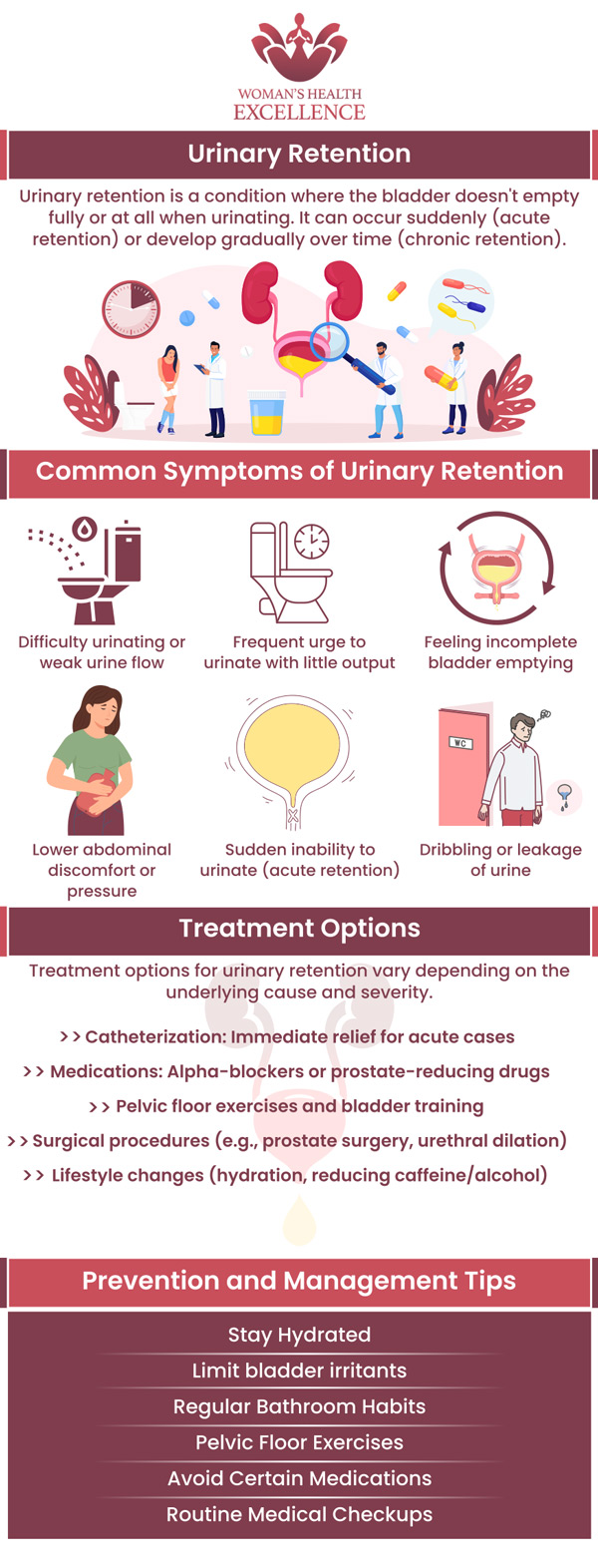
Table of Contents:
How is urinary retention diagnosed?
Do I need to take any special preparation before a urinary retention diagnosis?
Is urinary retention always diagnosed through imaging tests?
Is it possible to misdiagnose urinary retention?
How can The OB-GYN & Incontinence Center help you with the accurate diagnosis of urinary retention?
Urinary retention is diagnosed through a thorough evaluation that begins with a detailed medical history and a physical examination. During the history review, your doctor will ask about the frequency, severity, and nature of your symptoms, such as difficulty starting urination, weak urine flow, or the feeling of incomplete bladder emptying. This step is crucial to understanding the pattern of your symptoms and how they affect your daily life.
In addition to the medical history, diagnostic tests are often used to confirm urinary retention and identify the underlying cause. A bladder scan, which uses ultrasound technology, is commonly performed to measure the amount of urine remaining in the bladder after urination.
At The B-GYN & Incontinence Center, Dr. Prema Kothandaraman and our expert team offer a comprehensive approach to diagnosing urinary retention. We use a combination of medical history, physical exams, and advanced diagnostic tests to ensure an accurate diagnosis and provide personalized treatment plans to address your urinary health concerns effectively.
Before a urinary retention diagnosis, you may be asked to follow some basic preparation steps to ensure an accurate evaluation:
● Keep Track of Symptoms: Note the frequency, severity, and any patterns of your urinary symptoms, such as trouble starting urination, weak stream, or frequent nighttime urination.
● Full Bladder: You may be asked to arrive with a full bladder for certain tests, such as a bladder scan, so the doctor can assess how much urine is left after urination.
● Medications: Inform your doctor about any medications you are currently taking, especially diuretics, anticholinergics, or any drugs that affect bladder function.
● Hydration: Drink plenty of fluids before the appointment unless directed otherwise, as dehydration can affect your urinary function.
● Avoid Certain Tests: Some diagnostic tests may require you to avoid urinating for a certain period before the appointment.
Following these guidelines will help Dr. Prema Kothandaraman and her team at The OB-GYN & Incontinence Center provide the most accurate diagnosis and develop a personalized treatment plan for your urinary retention symptoms.
Urinary retention is not always diagnosed through imaging tests, but imaging can be an important tool in certain cases. The first step in diagnosing urinary retention typically involves a detailed medical history and physical examination. During the examination, your doctor will assess your symptoms, such as the frequency and severity of urination difficulties, and may ask about related symptoms like pain or a feeling of incomplete bladder emptying. This information is often enough to begin the diagnostic process, especially for mild cases.
In some instances, imaging tests may be recommended if the cause of urinary retention is not immediately clear. For example, an ultrasound of the bladder can help assess whether there is urine left in the bladder after urination, which is a common sign of urinary retention. Other tests may be used if a more detailed view of the bladder, kidneys, or pelvic organs is needed to identify potential blockages or structural issues.
At The OB-GYN & Incontinence Center, Dr. Prema Kothandaraman and our team offer a comprehensive evaluation to diagnose urinary retention accurately. We use a combination of medical history, physical exams, and, when necessary, imaging or diagnostic tests to determine the underlying cause of your symptoms. Our goal is to provide personalized treatment plans that address the root cause of your condition for effective relief and long-term health.
Yes, it is possible to misdiagnose urinary retention, especially if the symptoms are mild or resemble other urinary or pelvic health conditions. Symptoms like difficulty starting urination, weak urine flow, or incomplete bladder emptying can sometimes be mistaken for other issues, such as urinary tract infections (UTIs), bladder infections, or even normal age-related changes. Without a thorough evaluation, these symptoms might not be properly linked to urinary retention or its underlying causes.
Misdiagnosis can also occur if the evaluation doesn’t consider the full spectrum of potential causes of urinary retention, such as pelvic floor dysfunction, neurological issues, or certain medications. For example, conditions like pelvic organ prolapse, prior gynecological surgeries, or hormonal imbalances in women can contribute to urinary retention, but without careful consideration, these factors might be overlooked.
We specialize in diagnosing urinary retention and other pelvic health concerns in women, offering personalized care that addresses the root causes of your symptoms.
At The OB-GYN & Incontinence Center, Dr. Prema Kothandaraman and our team use a comprehensive approach to accurately diagnose urinary retention. We begin with a detailed medical history and a thorough physical examination to assess the severity of your symptoms. We may also recommend specific tests to determine the underlying cause of your urinary retention, whether it’s due to pelvic floor dysfunction, bladder obstruction, or other related issues. Our goal is to identify the root cause of the problem to ensure an effective treatment plan.
Dr. Kothandaraman specializes in women’s health and pelvic floor disorders, and she works closely with each patient to develop a tailored treatment plan based on the diagnosis. Whether your symptoms are mild or more severe, our team is committed to providing compassionate, personalized care to help you restore proper bladder function and prevent potential complications. At The OB-GYN & Incontinence Center, we are here to guide you through every step of your urinary health journey with accurate diagnoses and effective treatments.
For more information, contact us or book an appointment online. We are conveniently located at 622 W Duarte Rd Ste 305 Arcadia, CA 91007. We serve patients from Arcadia CA, Glendale CA, Monrovia CA, Pasadena CA, Los Angeles CA, Burbank CA, and surrounding areas.
Check Out Our 5 Star Reviews



Additional Services You May Need
▸ Urogynecology
▸ Minimally Invasive Gynecology
▸ Monalisa & Medical Aesthetics
▸ Bioidentical Hormone Replacement Therapy
▸ Urinary Incontinence
▸ Pelvic Organ Prolapse
▸ Painful Bladder
▸ Urinary Tract Infection
▸ Genitourinary Syndrome of Menopause
▸ Female Sexual Dysfunction
▸ Urinary Retention
▸ Vaginal Laxity & Prolapse
▸ Postpartum Pelvic Floor Problems
▸ PCOD
▸ Bladder Prolapse Repair
▸ Urgent PC
▸ Fibroids
▸ Excessive Bleeding
▸ Pelvic Pain
▸ Birth Control & IUD
▸ Vaginal & Pelvic Infection
▸ Monalisa Touch
▸ STD
▸ TempsureVitalia
▸ Biote Pellet Therapy
▸ Topical BHRT
▸ Flexsure
▸ Rectal Prolapse Repair
▸ Tempsure ENVI
▸ Minimally Invasive Pelvic Surgery for Incontinence


 Send Text
 How May I Help You?