

Advanced Urinary Incontinence Treatment for Women in the San Gabriel Valley
At The OB‑Gyn & Incontinence Center, Dr. Prema Kothandaraman, M.D., offers advanced treatment options for women experiencing urinary incontinence. Whether stress, urge, or mixed incontinence, individualized care—including behavioral therapies, pelvic floor rehabilitation, and minimally invasive procedures—can help women regain control and improve quality of life. Our team provides compassionate support and expert management for lasting results. For more information, contact us or book an appointment online. We are conveniently located at 622 W Duarte Rd Ste 305 Arcadia, CA 91007.
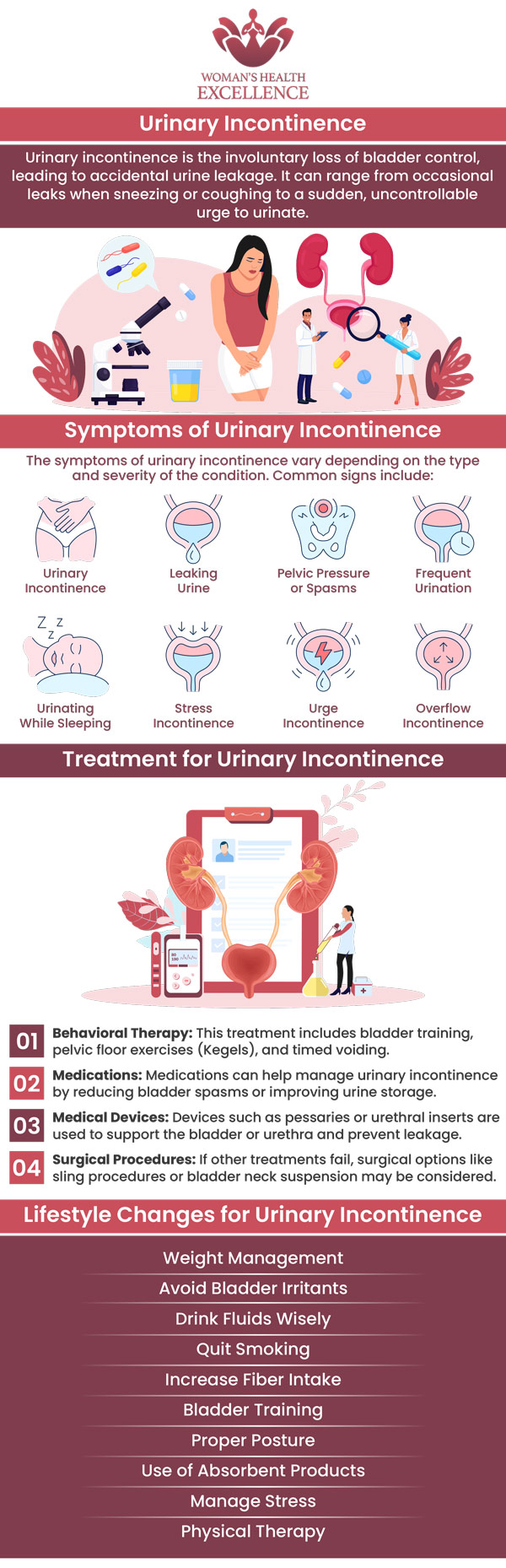
Table of Contents:
What is the difference between stress incontinence and urge incontinence?
Do I have to have surgery to fix my urinary incontinence?
What non-surgical and minimally invasive treatment options are available for bladder leakage?
How do you determine the exact cause of my urinary incontinence?
How The OB-Gyn & Incontinence Center Supports Patients With Urinary Incontinence
Urinary incontinence can manifest in different forms, and the two most common types are stress incontinence and urge incontinence. Stress incontinence occurs when physical activity, coughing, sneezing, or laughing causes involuntary urine leakage. It is typically caused by weakness in the pelvic floor muscles or urethral sphincter, which can result from pregnancy, childbirth, menopause, or aging.
Urge incontinence, sometimes referred to as overactive bladder, involves a sudden, intense urge to urinate followed by involuntary leakage, often before reaching a bathroom. This type of incontinence is caused by involuntary contractions of the bladder muscles and may be associated with neurological conditions, bladder irritation, or unknown factors.
At The OB-Gyn & Incontinence Center, Dr. Prema Kothandaraman evaluates patients carefully to differentiate between these types of incontinence, as the underlying causes and treatment strategies vary significantly. Accurate diagnosis is key to achieving effective, lasting relief.
Not all urinary incontinence cases require surgical intervention. In fact, many patients achieve significant improvement with non-surgical or minimally invasive options. Surgery is usually reserved for patients who have severe leakage, pelvic organ prolapse, or cases where conservative treatments have failed.
At The OB-Gyn & Incontinence Center, Dr. Kothandaraman emphasizes personalized care, starting with less invasive approaches whenever possible. Non-surgical treatments can include pelvic floor exercises, bladder training, biofeedback, and medications to reduce bladder overactivity or strengthen urethral closure. By focusing on tailored, evidence-based strategies, many patients experience meaningful improvement without the risks associated with surgery.
Our clinic offers a wide range of non-surgical and minimally invasive treatments for urinary incontinence, customized based on the patient’s diagnosis and severity of symptoms. Some of the approaches include:
● Pelvic floor physical therapy: Strengthens muscles that support bladder control and reduce leakage
● Bladder training and timed voiding: Teaches strategies to manage urges and improve bladder capacity
● Medication management: Prescribed when appropriate to calm bladder overactivity or improve urethral function
● Minimally invasive procedures: Such as urethral bulking injections or neuromodulation, for patients with persistent symptoms who prefer alternatives to open surgery
At The OB-Gyn & Incontinence Center, these options are applied in a stepwise, individualized manner, ensuring patients receive the least invasive yet most effective solution. This approach reduces recovery time, minimizes risks, and allows patients to regain confidence and control in daily life.
Determining the cause of incontinence requires a comprehensive evaluation, as multiple factors can contribute to bladder leakage. At The OB-Gyn & Incontinence Center, the assessment includes the following:
● Medical history review: Discussing prior pregnancies, surgeries, neurological conditions, medications, and lifestyle factors
● Physical examination: Evaluating pelvic floor strength, prolapse, and bladder support
● Diagnostic testing: Including urinalysis, bladder scans, and urodynamic studies to measure bladder function and pressure
● Observation of symptoms: Keeping track of frequency, triggers, and severity of leakage
By combining patient history, examination, and advanced diagnostics, we can accurately identify whether stress incontinence, urge incontinence, mixed types, or another underlying issue is causing the symptoms. This precise diagnosis enables the creation of a customized treatment plan targeting the root cause rather than only addressing symptoms.
At The OB-Gyn & Incontinence Center, urinary incontinence is addressed through a patient-centered, multi-faceted approach. Dr. Prema Kothandaraman begins with a comprehensive evaluation to identify the type and severity of incontinence. This includes assessing pelvic floor strength, bladder function, and prior treatment history.
Patients are provided with personalized care plans that may include pelvic floor therapy, bladder retraining, lifestyle modifications, and non-surgical interventions. For those with more persistent or complex cases, the clinic offers minimally invasive procedures such as urethral bulking or neuromodulation, which provide effective relief without major surgery.
The clinic emphasizes education and ongoing support, teaching patients strategies to maintain bladder control, prevent recurrence, and improve overall pelvic health. Follow-up appointments monitor progress, adjust treatments as necessary, and ensure that patients experience maximum symptom relief.
By combining specialized expertise, individualized treatment, and patient education, The OB-Gyn & Incontinence Center empowers patients to manage urinary incontinence effectively. Patients benefit from a safe, evidence-based, and holistic approach that addresses both physical and functional aspects of bladder control, helping them regain confidence, comfort, and quality of life. For more information, contact us or book an appointment online. We are conveniently located at 622 W Duarte Rd Ste 305 Arcadia, CA 91007. We serve patients from Arcadia CA, Glendale CA, Monrovia CA, Pasadena CA, Los Angeles CA, Burbank CA and surrounding areas.
Check Out Our 5 Star Reviews



Additional Services You May Need
▸ Urogynecology
▸ Minimally Invasive Gynecology
▸ Monalisa & Medical Aesthetics
▸ Bioidentical Hormone Replacement Therapy
▸ Urinary Incontinence
▸ Pelvic Organ Prolapse
▸ Painful Bladder
▸ Urinary Tract Infection
▸ Genitourinary Syndrome of Menopause
▸ Female Sexual Dysfunction
▸ Urinary Retention
▸ Vaginal Laxity & Prolapse
▸ Postpartum Pelvic Floor Problems
▸ PCOD
▸ Bladder Prolapse Repair
▸ Urgent PC
▸ Fibroids
▸ Excessive Bleeding
▸ Pelvic Pain
▸ Birth Control & IUD
▸ Vaginal & Pelvic Infection
▸ Monalisa Touch
▸ STD
▸ TempsureVitalia
▸ Biote Pellet Therapy
▸ Topical BHRT
▸ Flexsure
▸ Rectal Prolapse Repair
▸ Tempsure ENVI
▸ Minimally Invasive Pelvic Surgery for Incontinence


 Send Text
 How May I Help You?