

Uterine Fibroid Symptoms and Menstrual Changes in Women
Uterine fibroids can affect menstrual patterns, pelvic comfort, urinary health, and everyday well-being in different ways. Some women notice changes such as heavier periods or spotting, while others experience pressure, discomfort, or symptoms outside their menstrual cycle. At The OB-GYN & Incontinence Center in Glendale, CA, our clinic evaluates women experiencing symptoms that may be related to uterine fibroids. Dr. Prema Kothandaraman, MD, FACOG, and our clinical team help determine whether fibroids or another gynecologic condition may be contributing to these changes. For more information, contact us or book an appointment online. We are conveniently located at 1505 Wilson Terrace #320, Glendale, CA 91206.
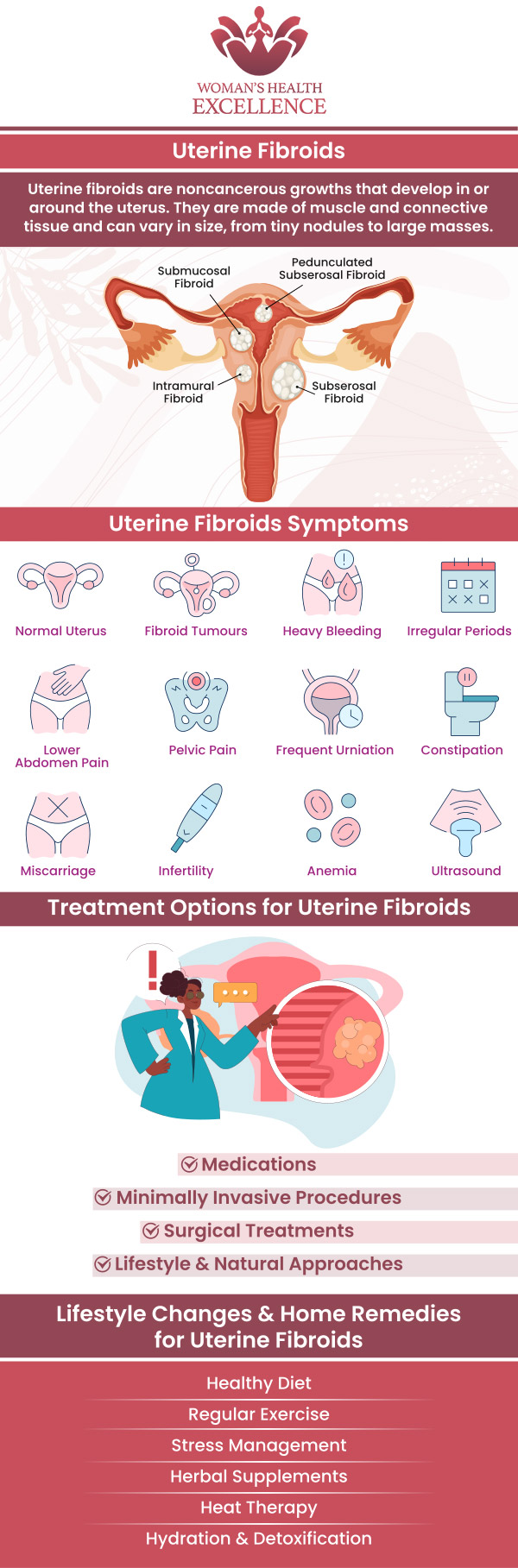
Table of Contents:
Why can uterine fibroid symptoms feel different from one woman to another?
Can uterine fibroids cause spotting or bleeding between periods?
Can uterine fibroids cause increased vaginal discharge?
Can uterine fibroids cause pain that extends into the legs?
Can fibroids cause periods to come more often than usual?
Can uterine fibroids cause blood clots during a period?
Can uterine fibroids cause cramping outside of a menstrual period?
What menstrual changes should be discussed with a gynecologist?
Fibroid Symptom Evaluation With Dr. Prema Kothandaraman and Our Clinical Team in Glendale, CA
Uterine Fibroid Symptom Evaluation for Women in Glendale and Nearby Communities
Can fibroids cause menstruation to start again shortly after a period ends?
Can fibroid-related bleeding occur without significant pelvic pain?
Can uterine fibroid symptoms affect one menstrual cycle more than another?
Can fibroids cause a period to last longer even if the bleeding is not extremely heavy?
Can fibroid symptoms occur without changing the size of the abdomen?
Get Possible Uterine Fibroid Symptoms Evaluated in Glendale, CA
Medical References
Fibroids can vary in size, number, and location within or around the uterus. These differences can influence the type and severity of symptoms a woman experiences.
A fibroid affecting the uterine cavity may be more likely to contribute to menstrual changes, while fibroids growing toward surrounding pelvic structures may create more pressure-related symptoms.
Some women experience several symptoms at once, while others have only one noticeable change. Fibroids can also be present without causing symptoms at all.
Because symptoms vary so widely, changes in bleeding, pelvic comfort, or other aspects of women’s health should be evaluated based on the individual rather than assumed to follow one typical pattern.
Yes. Fibroids can be associated with vaginal bleeding at times other than a regular menstrual period. This may appear as light spotting or more noticeable bleeding between cycles.
Bleeding between periods should not automatically be attributed to fibroids because hormonal changes, cervical conditions, endometrial problems, medications, and other gynecologic conditions may also cause abnormal bleeding.
Women who develop new or persistent bleeding between periods should discuss the change with a healthcare professional so the underlying cause can be evaluated.
Some women with uterine fibroids may notice an increase in vaginal discharge. This symptom is less commonly discussed than heavy bleeding or pelvic pressure, but it can occur in some patients.
Changes in vaginal discharge can also result from infections and other vaginal or cervical conditions. New discharge that has an unusual color, odor, or consistency, or occurs with itching, burning, pain, or bleeding, should be medically evaluated rather than assumed to be caused by fibroids.
Fibroids are more commonly associated with pelvic pressure, abdominal discomfort, and lower back pain. In some cases, larger fibroids or pelvic pressure may also contribute to discomfort that extends toward the hips or legs.
Because leg pain has many possible causes unrelated to the uterus, persistent leg discomfort should not automatically be considered a fibroid symptom. When it occurs together with pelvic pressure, menstrual changes, or abdominal symptoms, discussing the full pattern with a healthcare provider can help determine whether further evaluation is appropriate.
Yes. Fibroids may contribute to changes in menstrual timing as well as the amount and duration of bleeding. Some women experience periods that are longer, heavier, or more frequent than their previous menstrual pattern.
Tracking when bleeding begins, how long it lasts, and whether spotting occurs between periods can provide useful information during a gynecologic evaluation.
Changes in menstrual frequency can also have causes unrelated to fibroids, including hormonal changes, so persistent changes should be assessed rather than self-diagnosed.
Heavy menstrual bleeding associated with fibroids may sometimes include passing blood clots. Clots can develop when menstrual blood collects faster than the body can process it before leaving the uterus.
Occasional small clots may occur during menstruation, but frequent large clots, increasingly heavy bleeding, or periods that interfere with normal activities should be discussed with a healthcare provider.
Heavy menstrual blood loss can also contribute to iron deficiency or anemia over time.
Fibroids may be associated with pelvic or abdominal cramping, and discomfort does not always occur only during menstruation. Some women experience pressure, aching, or cramping at other times of the month.
However, persistent pelvic cramping can also be associated with other gynecologic, urinary, or gastrointestinal conditions. Evaluation can help determine whether fibroids or another condition may be contributing.
Changes worth discussing include periods that become noticeably heavier or more frequent, bleeding that lasts longer than usual, spotting between periods, increasingly painful menstruation, or bleeding accompanied by fatigue or weakness.
Women should also mention changes that develop alongside pelvic pressure, abdominal enlargement, urinary problems, pain during intercourse, or lower back discomfort.
Severe vaginal bleeding or sudden, intense pelvic pain requires prompt medical attention.
Dr. Prema Kothandaraman, MD, FACOG, provides gynecologic care for women experiencing menstrual changes, abnormal bleeding, pelvic discomfort, and other concerns that may be associated with uterine fibroids.
At The OB-GYN & Incontinence Center in Glendale, our clinical team focuses on understanding the complete pattern of each patient’s symptoms. Because fibroid symptoms can overlap with other gynecologic conditions, appropriate evaluation helps determine whether fibroids or another health concern may be responsible.
Our Glendale clinic provides gynecologic care for women from Glendale and nearby communities, including Pasadena, Burbank, Alhambra, San Marino, Altadena, and surrounding areas.
Women experiencing changes in menstrual bleeding, spotting between periods, pelvic discomfort, unusual pressure, or other possible fibroid symptoms can request an evaluation with Dr. Prema Kothandaraman and our clinical team.
Fibroids can contribute to irregular or more frequent bleeding patterns in some women. However, bleeding shortly after a menstrual period can have several possible causes. If this occurs repeatedly, a gynecologic evaluation can help determine whether fibroids or another condition may be responsible.
Yes. Some women experience abnormal or heavy menstrual bleeding without substantial pelvic pain or pressure. Fibroid symptoms depend partly on where the fibroid is located, so menstrual changes can sometimes be the primary concern.
Symptoms may not feel exactly the same during every menstrual cycle. Bleeding volume, cramping, and other menstrual symptoms can fluctuate. A persistent change from a woman’s usual pattern is more important than any single unusual cycle and should be discussed with a healthcare professional when it continues.
Yes. Fibroids can be associated with longer menstrual periods as well as heavier bleeding. Some women may notice that bleeding continues for more days than usual even if every day is not particularly heavy.
Yes. Abdominal enlargement is only one possible fibroid symptom. Women may experience menstrual changes, abnormal bleeding, pelvic discomfort, lower back pain, or other concerns without noticing a visible change in abdominal size.
Women experiencing changes in menstrual frequency, spotting between periods, prolonged bleeding, pelvic discomfort, or other possible uterine fibroid symptoms can request an evaluation at The OB-GYN & Incontinence Center in Glendale, CA.
Dr. Prema Kothandaraman, MD, FACOG, and our clinical team can review the pattern of symptoms and help determine whether fibroids or another gynecologic condition may be contributing. For more information, contact us or book an appointment online. We are conveniently located at 1505 Wilson Terrace #320, Glendale, CA 91206. We serve patients from Glendale CA, Pasadena CA, Alhambra CA, Arcadia CA, Burbank CA, San Marino CA, Altadena CA and surrounding areas.
Check Out Our 5 Star Reviews



Additional Services You May Need
▸ Urogynecology
▸ Minimally Invasive Gynecology
▸ Monalisa & Medical Aesthetics
▸ Bioidentical Hormone Replacement Therapy
▸ Urinary Incontinence
▸ Pelvic Organ Prolapse
▸ Painful Bladder
▸ Urinary Tract Infection
▸ Genitourinary Syndrome of Menopause
▸ Female Sexual Dysfunction
▸ Urinary Retention
▸ Vaginal Laxity & Prolapse
▸ Postpartum Pelvic Floor Problems
▸ PCOD
▸ Bladder Prolapse Repair
▸ Urgent PC
▸ Fibroids
▸ Excessive Bleeding
▸ Pelvic Pain
▸ Birth Control & IUD
▸ Vaginal & Pelvic Infection
▸ Monalisa Touch
▸ STD
▸ TempsureVitalia
▸ Biote Pellet Therapy
▸ Topical BHRT
▸ Flexsure
▸ Rectal Prolapse Repair
▸ Tempsure ENVI
▸ Minimally Invasive Pelvic Surgery for Incontinence


 Send Text
 How May I Help You?