

Vaginismus Treatment in Glendale, CA
Vaginismus involves involuntary tightening of the muscles around the vaginal opening when penetration is attempted or anticipated. This can cause discomfort, burning, stinging, or difficulty during sexual intercourse, tampon insertion, or gynecological examinations. Symptoms can affect physical comfort, intimate relationships, and confidence. Our clinic offers gynecology services in Glendale, CA, for women experiencing vaginismus and related pelvic health concerns. Our team includes Dr. Prema Kothandaraman, MD, FACOG, and healthcare professionals focused on women’s health, pelvic floor conditions, and gynecologic concerns. Patients can discuss their symptoms, understand possible contributing factors, and review appropriate evaluation and treatment options. For more information, contact us or book an appointment online. We are conveniently located at 1505 Wilson Terrace #320, Glendale, CA 91206.
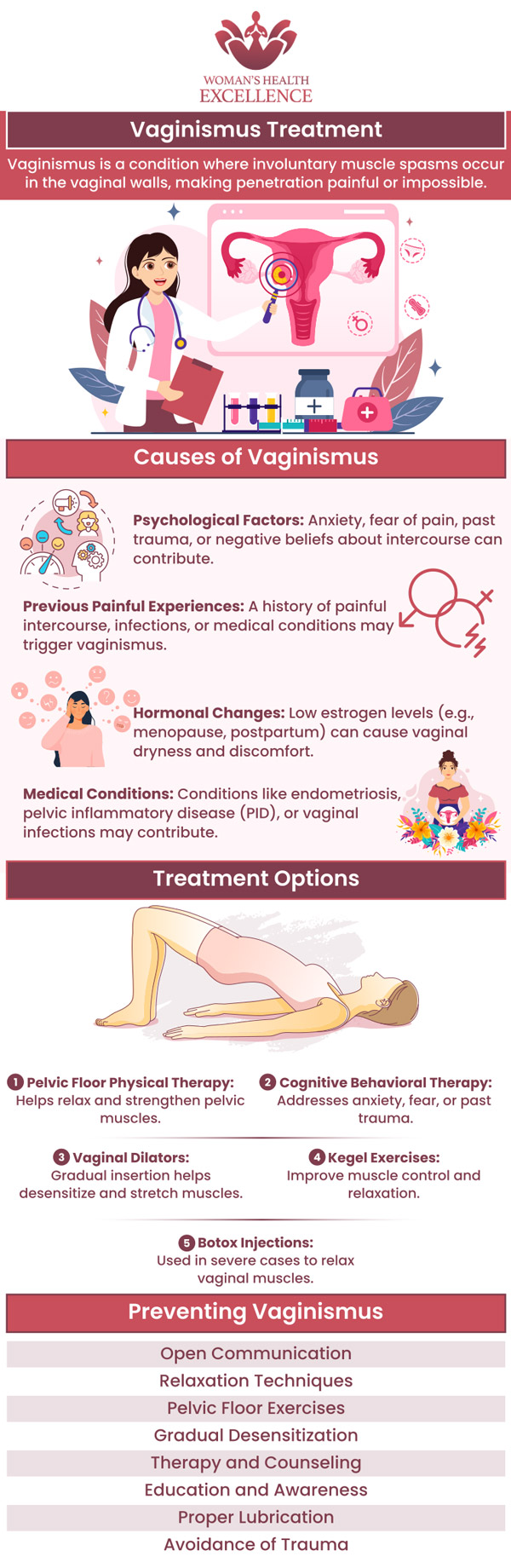
Table of Contents:
What Is Vaginismus?
What Are the Signs and Symptoms of Vaginismus?
What Causes Vaginismus?
How Is Vaginismus Diagnosed?
What Are the Treatment Options for Vaginismus?
Vaginismus Care With Dr. Prema Kothandaraman, MD, FACOG, in Glendale, CA
Can vaginismus symptoms happen only in certain situations?
Is vaginismus always caused by anxiety?
What other conditions can cause symptoms similar to vaginismus?
What should I expect during a gynecological appointment for vaginismus?
Does vaginismus affect sexual arousal?
Should I continue penetration if it causes pain?
Schedule Vaginismus Treatment in Glendale, CA
Medical References
Vaginismus is characterized by involuntary tightening or contraction of the muscles surrounding the vaginal opening. This response can happen automatically when vaginal penetration is anticipated or attempted. It is not something a woman consciously controls.
The muscle tightening may cause burning, stinging, pressure, or pain. Some women experience difficulty with penetration during intercourse, while others notice discomfort when inserting tampons or undergoing gynecological examinations.
Vaginismus can develop during a person’s first experiences with penetration or later in life after previously comfortable experiences. Symptoms may also vary depending on the situation and underlying factors.
Vaginismus can affect women differently. Common symptoms include:
• Involuntary tightening of the vaginal muscles during attempted penetration.
• Pain, burning, or stinging during sexual intercourse.
• Difficulty or discomfort when inserting tampons.
• Pain or difficulty during pelvic examinations.
• Anticipatory anxiety or fear related to vaginal penetration.
• Avoidance of activities that may trigger discomfort.
These symptoms do not automatically confirm vaginismus. Other gynecologic conditions, infections, vulvar disorders, and pelvic pain conditions can cause similar discomfort. A gynecologic evaluation can help identify the underlying concern.
There is not always one identifiable cause of vaginismus. Physical and emotional factors may contribute to involuntary pelvic floor muscle tightening.
Previous Painful Experiences: Pain during intercourse, childbirth, or a previous gynecological examination may contribute to muscle guarding during later attempts at penetration.
Anxiety and Fear of Pain: Anticipating discomfort can contribute to an involuntary tightening response, potentially creating a cycle of muscle tension and pain.
Pelvic Pain Conditions: Certain infections, inflammatory conditions, and other sources of pelvic discomfort may contribute to pain and muscle tightening.
Previous Trauma: Sexual trauma or other distressing experiences may contribute to symptoms in some women. However, a history of trauma is not necessary for vaginismus to develop.
Medical and Hormonal Changes: Conditions associated with vaginal dryness, irritation, or painful intercourse may contribute to discomfort that needs to be evaluated separately or alongside pelvic floor symptoms.
Understanding these factors helps guide an appropriate evaluation and individualized treatment recommendations.
Evaluating vaginismus involves understanding the patient’s symptoms, medical history, and experiences with vaginal penetration. A gynecologist may ask when the symptoms began, what situations trigger discomfort, and whether other pelvic or vaginal symptoms are present.
A physical or pelvic examination may be recommended to assess the pelvic area and rule out other causes of pain. The examination should be discussed beforehand, particularly when penetration causes discomfort. Patients can communicate their concerns and discuss ways to make the evaluation more comfortable.
The evaluation may also consider other conditions associated with painful intercourse, including vaginal infections, vulvar disorders, pelvic pain, and hormonal changes.
Vaginismus treatment is individualized because contributing factors and symptoms differ from one woman to another. Care generally focuses on reducing involuntary muscle tension, improving comfort, and addressing physical or emotional factors associated with penetration.
Depending on the evaluation, treatment recommendations may include:
Pelvic Floor Physical Therapy: A qualified pelvic floor physical therapist can help patients understand muscle tension, practice relaxation techniques, and improve pelvic floor coordination.
Vaginal Dilator Therapy: Dilators are devices available in different sizes that may be used gradually under appropriate professional guidance to improve comfort with vaginal insertion.
Relaxation and Breathing Techniques: Guided breathing and relaxation strategies may help patients recognize and reduce muscle tension.
Counseling and Psychosexual Therapy: Counseling may help address anxiety, fear of pain, previous distressing experiences, or other emotional concerns when these factors contribute to symptoms.
Treatment of Underlying Conditions: If infections, vaginal dryness, vulvar conditions, or other medical concerns contribute to discomfort, addressing those conditions may also be part of the care plan.
Not every treatment is appropriate for every patient. Recommendations depend on the evaluation, medical history, symptoms, and individual needs. Some approaches may involve referrals to other qualified healthcare professionals.
Dr. Prema Kothandaraman provides gynecologic and urogynecologic care at our Glendale, CA, location. Her clinical focus includes women’s pelvic health, urinary incontinence, pelvic organ prolapse, and related gynecologic concerns.
Women experiencing vaginismus can discuss their symptoms, medical history, discomfort during penetration, and concerns about pelvic examinations during a gynecologic consultation. Dr. Kothandaraman evaluates individual concerns and discusses appropriate care options based on each patient’s health needs.
Our team recognizes that intimate health concerns can be difficult to discuss. Patients can share their concerns and ask questions during an appointment to better understand the evaluation process and available treatment recommendations.
Yes. Some women experience muscle tightening during every attempt at penetration, while others experience symptoms only in certain situations. The timing and severity of symptoms can vary depending on physical discomfort, anticipation, and other contributing factors.
No. Although anxiety and fear of pain can contribute to vaginismus, the condition does not always have a psychological explanation. Physical pain, pelvic floor muscle responses, previous painful experiences, and other factors may also contribute.
Vaginal infections, vulvodynia, vaginal dryness, endometriosis, and other pelvic pain conditions can cause discomfort during penetration. A gynecologic evaluation can help distinguish vaginismus from other possible causes and identify whether more than one condition is present.
A gynecological appointment generally begins with a discussion of symptoms, medical history, and situations that cause discomfort. A physical examination may be recommended when appropriate to evaluate other possible causes. Patients can discuss examination concerns beforehand and communicate their comfort level throughout the appointment.
Vaginismus does not necessarily affect sexual desire or the ability to become aroused. However, discomfort, fear of pain, and previous painful experiences may affect sexual confidence and intimacy. Individual experiences vary.
Painful penetration should not be forced or pushed through. Continuing an activity that causes discomfort may increase distress and muscle guarding. A gynecologic evaluation can help identify possible causes and appropriate ways to address the symptoms.
Vaginismus can affect physical comfort, intimate relationships, and everyday gynecologic care. Understanding the factors contributing to symptoms is an important step toward identifying appropriate treatment options.
Our clinic offers gynecology and urogynecology services in Glendale, CA. Dr. Prema Kothandaraman, MD, FACOG, and our clinical team provide care for women experiencing vaginismus and other pelvic health concerns.
Patients can contact the Glendale office or request an appointment online to discuss their concerns and available evaluation options. For more information, contact us or book an appointment online. We are conveniently located at 1505 Wilson Terrace #320, Glendale, CA 91206. We serve patients from Glendale CA, Pasadena CA, Alhambra CA, Arcadia CA, Burbank CA, San Marino CA, Altadena CA and surrounding areas.
Check Out Our 5 Star Reviews



Additional Services You May Need
▸ Urogynecology
▸ Minimally Invasive Gynecology
▸ Monalisa & Medical Aesthetics
▸ Bioidentical Hormone Replacement Therapy
▸ Urinary Incontinence
▸ Pelvic Organ Prolapse
▸ Painful Bladder
▸ Urinary Tract Infection
▸ Genitourinary Syndrome of Menopause
▸ Female Sexual Dysfunction
▸ Urinary Retention
▸ Vaginal Laxity & Prolapse
▸ Postpartum Pelvic Floor Problems
▸ PCOD
▸ Bladder Prolapse Repair
▸ Urgent PC
▸ Fibroids
▸ Excessive Bleeding
▸ Pelvic Pain
▸ Birth Control & IUD
▸ Vaginal & Pelvic Infection
▸ Monalisa Touch
▸ STD
▸ TempsureVitalia
▸ Biote Pellet Therapy
▸ Topical BHRT
▸ Flexsure
▸ Rectal Prolapse Repair
▸ Tempsure ENVI
▸ Minimally Invasive Pelvic Surgery for Incontinence


 Send Text
 How May I Help You?