
What Is PMOS?
Polyendocrine Metabolic Ovarian Syndrome (PMOS), previously known as Polycystic Ovary Syndrome (PCOS), is a hormonal and metabolic condition that may affect menstrual cycles, ovulation, and overall reproductive health. At The OB-Gyn & Incontinence Center, our team focuses on understanding each patient’s symptoms, hormonal concerns, and medical history to provide individualized evaluations and appropriate care options. We emphasize patient education, early identification of potential health concerns, and personalized treatment approaches that support long-term reproductive and metabolic well-being. For more information, contact us today or book an appointment online. We are conveniently located at 622 W Duarte Rd Ste 305 Arcadia, CA 91007.

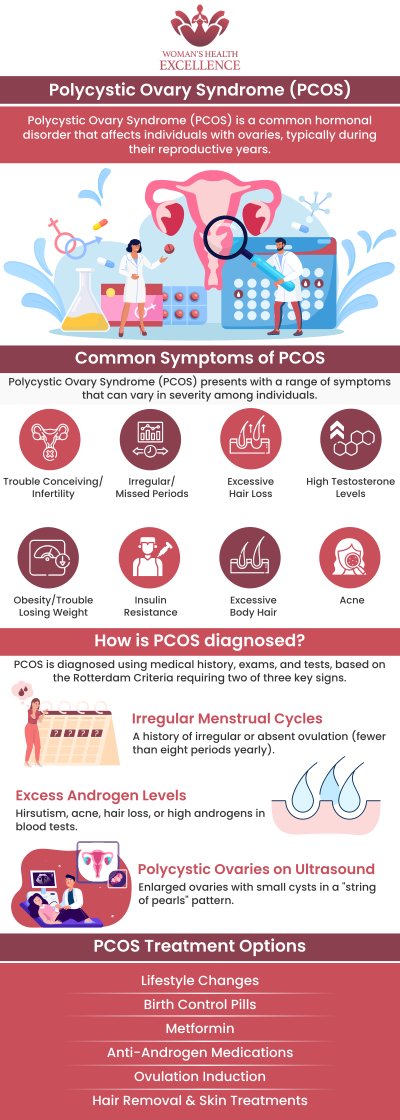
Table of Contents:
What does PMOS stand for in women’s health care?
PMOS vs PCOS?
How does PMOS relate to pelvic health and women’s wellness?
What concerns may be evaluated through PMOS services?
Who may benefit from a PMOS evaluation?
What should you expect during a PMOS consultation?
How does a healthcare professional determine if PMOS services are appropriate for your needs?
How can The OB-Gyn & Incontinence Center provide personalized PMOS care and support for women seeking comprehensive health services in Arcadia, CA?
PMOS stands for Polyendocrine Metabolic Ovarian Syndrome, the updated medical name for the condition formerly called Polycystic Ovary Syndrome (PCOS). It describes a complex hormonal and metabolic disorder that can influence menstrual regularity, ovarian function, and several aspects of women’s health.
The condition may involve increased androgen levels, irregular ovulation, insulin resistance, and changes in reproductive health. Since PMOS can affect each woman differently, a personalized evaluation helps healthcare professionals recognize individual health concerns and identify factors that may be contributing to their symptoms.
At The OB-Gyn & Incontinence Center, our team takes a patient-centered approach to women’s healthcare, focusing on individual reproductive concerns, hormonal health assessments, and personalized guidance to promote overall well-being. We emphasize careful evaluations and clear communication to help patients better understand their health needs.
PMOS and PCOS describe the same medical condition, but the terminology has changed to better represent its broader effects. In May 2026, an international medical consensus proposed the term Polyendocrine Metabolic Ovarian Syndrome (PMOS) to replace Polycystic Ovary Syndrome (PCOS), better reflecting the condition’s hormonal and metabolic effects.
The previous name emphasized the ovaries and could create the mistaken impression that ovarian cysts were necessary for diagnosis. The updated terminology recognizes the condition’s involvement in hormonal regulation, metabolic function, and reproductive health. The name change does not represent a separate diagnosis or a change in established diagnostic recommendations.
Our team helps patients understand the updated terminology and its relevance to their health concerns. We support personalized discussions about symptoms, appropriate testing, and available management options based on individual medical needs.
PMOS can influence women’s reproductive wellness by affecting ovulation, menstrual patterns, and hormone regulation. Some individuals experience unpredictable periods, difficulties with conception, or changes in menstrual bleeding that warrant further gynecological evaluation.
Although PMOS is primarily a hormonal and metabolic condition, its symptoms may overlap with other pelvic health concerns. Pelvic discomfort, abnormal bleeding, or urinary symptoms should not automatically be attributed to PMOS, as they may have different underlying causes requiring separate assessment.
Our team considers the relationship between reproductive symptoms and broader gynecological health. We take an individualized approach to evaluating patient concerns and identifying appropriate next steps for ongoing wellness.
PMOS evaluations may address menstrual irregularities, difficulties with ovulation, hormonal changes, and metabolic concerns. Patients may seek medical guidance when experiencing symptoms that interfere with their reproductive health, daily comfort, or overall well-being.
Common concerns include infrequent periods, persistent acne, increased facial or body hair growth, scalp hair thinning, and difficulties becoming pregnant. Healthcare professionals may also consider insulin resistance, blood sugar regulation, and other metabolic risk factors when reviewing a patient’s health.
Our team emphasizes understanding each patient’s symptoms before discussing potential evaluations or management approaches. We encourage open communication so that reproductive and hormonal concerns can be addressed according to individual needs.
Women experiencing persistent menstrual irregularities, unexplained hormonal symptoms, or concerns about ovulation may benefit from a PMOS evaluation. An assessment can help determine whether these changes are related to PMOS or another condition affecting reproductive health.
Individuals with acne, excess facial hair, scalp hair thinning, or symptoms associated with insulin resistance may also benefit from further investigation. Individuals with a family history of PMOS or previously detected hormone irregularities may consider a medical assessment to better understand their reproductive health and determine whether additional testing is appropriate.
Our team considers each patient’s medical background, current symptoms, and personal health goals. We support individualized assessments to help women make informed decisions about their reproductive and metabolic wellness.
A PMOS consultation generally begins with a discussion of your menstrual history, symptoms, medical background, and reproductive concerns. Your healthcare professional may ask about cycle frequency, changes in skin or hair, previous diagnoses, and any difficulties with conception.
Depending on your symptoms, a physical examination, laboratory testing, or additional diagnostic assessments may be recommended. These evaluations can help identify hormonal imbalances, examine metabolic risk factors, and distinguish PMOS from other conditions with similar symptoms.
Our team values patient-centered communication and individualized healthcare discussions. We prioritize clear communication, helping women gain a better understanding of their health assessments and explore personalized care options that align with their individual needs.
Healthcare professionals determine the need for PMOS evaluation by reviewing symptoms, menstrual patterns, medical history, and relevant clinical findings. They consider whether hormonal or metabolic concerns suggest the possibility of PMOS and whether additional testing would be beneficial.
In adults, healthcare professionals typically diagnose PMOS when at least two of three key findings are present: irregular or absent ovulation, signs of elevated androgen levels, or ovarian changes identified through ultrasound or an appropriate anti-Müllerian hormone (AMH) test, after excluding other possible causes. Other potential causes must be excluded, and different diagnostic criteria apply to adolescents.
Our team emphasizes thorough discussions and individualized assessments when considering PMOS-related concerns. We focus on helping patients understand whether further evaluation, medical management, or additional healthcare support may be appropriate.
Effective PMOS care involves evaluating the unique ways hormonal imbalances, irregular menstrual cycles, and metabolic changes influence a woman’s health. An individualized approach considers her symptoms, medical history, diagnostic findings, and personal reproductive and wellness goals to guide appropriate healthcare decisions.
Depending on clinical findings, management may involve menstrual regulation, appropriate medications, lifestyle guidance, fertility-related discussions, or monitoring of metabolic health. A personalized approach considers the patient’s age, symptoms, reproductive goals, and potential long-term health concerns.
At The OB-Gyn & Incontinence Center in Arcadia, CA, our team prioritizes personalized gynecological care, helping women better understand their health concerns through detailed evaluations, supportive guidance, and tailored healthcare recommendations. We strive to empower women with clear information about their reproductive health while providing individualized guidance and care recommendations that address their unique wellness needs. For more information, contact us today or book an appointment online. We are conveniently located at 622 W Duarte Rd Ste 305 Arcadia, CA 91007. We serve patients from Arcadia CA, Temple City CA, East San Gabriel CA, San Marino CA, Rosemead CA, Monrovia CA, North El Monte CA, Alhambra CA, and Pasadena CA.
Check Out Our 5 Star Reviews



Additional Services You May Need
▸ Urogynecology
▸ Minimally Invasive Gynecology
▸ Monalisa & Medical Aesthetics
▸ Bioidentical Hormone Replacement Therapy
▸ Urinary Incontinence
▸ Pelvic Organ Prolapse
▸ Painful Bladder
▸ Urinary Tract Infection
▸ Genitourinary Syndrome of Menopause
▸ Female Sexual Dysfunction
▸ Urinary Retention
▸ Vaginal Laxity & Prolapse
▸ Postpartum Pelvic Floor Problems
▸ PCOD
▸ Bladder Prolapse Repair
▸ Urgent PC
▸ Fibroids
▸ Excessive Bleeding
▸ Pelvic Pain
▸ Birth Control & IUD
▸ Vaginal & Pelvic Infection
▸ Monalisa Touch
▸ STD
▸ TempsureVitalia
▸ Biote Pellet Therapy
▸ Topical BHRT
▸ Flexsure
▸ Rectal Prolapse Repair
▸ Tempsure ENVI
▸ Minimally Invasive Pelvic Surgery for Incontinence


 Send Text
 How May I Help You?