

Common Symptoms of Vaginal Atrophy and How to Recognize Them
Vaginal atrophy, also known as genitourinary syndrome of menopause, occurs when the vaginal tissues become thinner, drier, and less elastic due to a decline in estrogen levels. The most common symptoms include vaginal dryness, itching, and discomfort during intercourse, known as dyspareunia. At The OB-Gyn & Incontinence Center, Dr. Prema Kothandaraman and her team specialize in providing personalized care to manage the symptoms and sexual health impacts of vaginal atrophy. With a focus on both immediate relief and long-term solutions, we work closely with you to improve your comfort and well-being. For more information, contact us or schedule an appointment online. We are conveniently located at 1505 Wilson Terrace #320, Glendale, CA 91206.
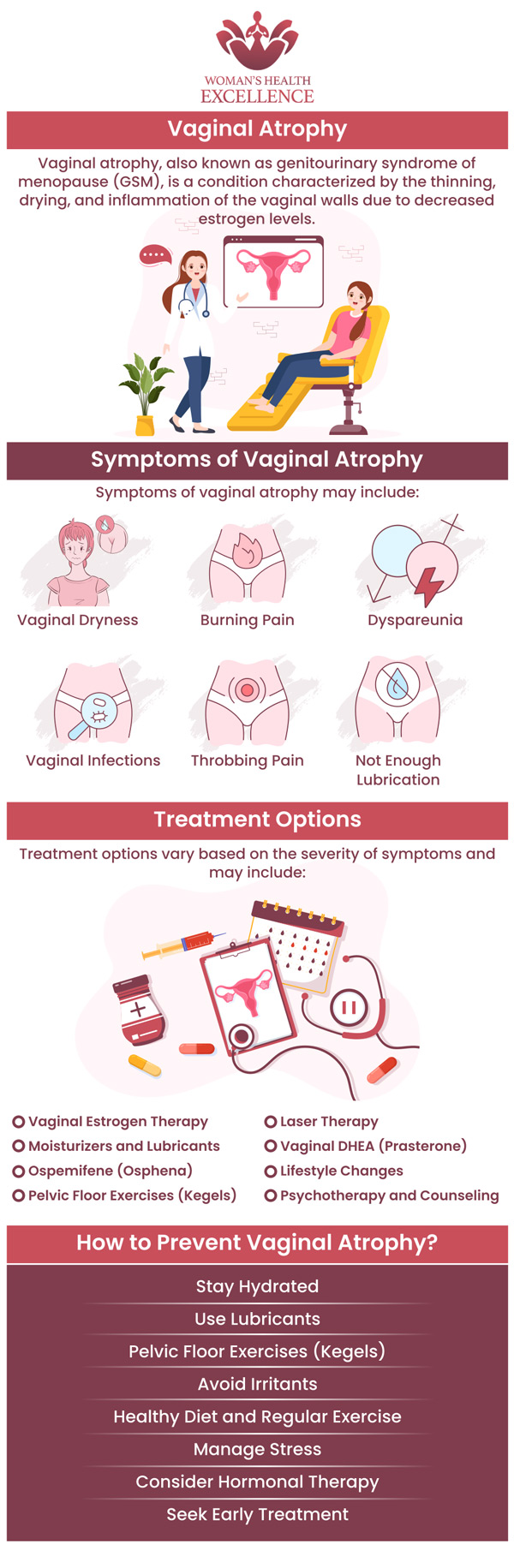
Table of Contents:
What are the common symptoms of vaginal atrophy?
How do hormonal changes lead to vaginal atrophy?
Can vaginal atrophy affect my urinary health?
Is vaginal atrophy painful?
How can The OB-Gyn & Incontinence Center help you manage and recognize symptoms of vaginal atrophy?
At The OB-Gyn & Incontinence Center, our team is dedicated to diagnosing and treating conditions that affect women’s health and well-being at every stage of life. One common concern we address is vaginal atrophy, also known as genitourinary syndrome of menopause. This condition often develops during and after menopause, but it can also affect women for other reasons, such as following certain cancer treatments or as a result of hormonal changes.
Common symptoms of vaginal atrophy include:
● Dryness or itching in the vaginal area
● Pain during intercourse (dyspareunia)
● Decreased vaginal lubrication
● Increased frequency of urinary infections or urinary urgency
● Vaginal bleeding or spotting after intercourse
● Thin, pale, or inflamed vaginal tissues
● Burning or stinging sensations in the vaginal area
● Vaginal discharge that may be watery or yellowish
These symptoms are often linked to a decrease in estrogen levels, commonly seen during menopause. If you experience any of these symptoms, it’s recommended to consult a healthcare provider for a proper diagnosis and treatment options. At The OB-Gyn & Incontinence Center, we offer comprehensive evaluation and a wide range of effective treatments personalized to your needs. If you are experiencing any of these symptoms, our compassionate providers are here to help you restore comfort, confidence, and quality of life.
At The OB-Gyn & Incontinence Center, we understand that hormonal changes, especially the decline in estrogen, can have a significant impact on women’s health, particularly in the development of vaginal atrophy. Vaginal atrophy is a common condition in which the vaginal walls become thinner, drier, and more prone to inflammation. This most often occurs during menopause, but it can also be triggered by breastfeeding, certain cancer treatments, or surgical removal of the ovaries.
Estrogen plays a vital role in maintaining the health, moisture, and elasticity of vaginal tissues. When estrogen levels decrease, as they often do with age or certain medical treatments, the vaginal lining loses thickness and lubrication. As a result, many women experience symptoms such as vaginal dryness, itching, burning, painful intercourse, and a higher risk of urinary tract infections.
These changes don’t just impact comfort and intimacy, they can also affect urinary health. At The OB-Gyn & Incontinence Center, our skilled team is dedicated to addressing the full spectrum of women’s health needs, including the management of vaginal atrophy and the associated urinary symptoms that frequently accompany it. We offer comprehensive evaluation and a range of personalized treatment options, all designed to restore vaginal and urinary health, improve comfort, and enhance quality of life.
Vaginal atrophy can affect your urinary health. The vaginal tissues and the urinary tract share similar tissue structures, both being influenced by estrogen. As vaginal atrophy causes the vaginal tissues to become thinner and less elastic, it can also lead to weakening of the tissues surrounding the urethra, the tube that carries urine from the bladder. This weakening can result in urinary symptoms like increased urgency, frequency, or even urinary incontinence.
Additionally, the thinning of vaginal and urethral tissues can make you more prone to urinary tract infections (UTIs). The lack of estrogen in postmenopausal women can decrease the natural protective barriers in both the vagina and urinary tract, making it easier for bacteria to enter and cause infections. It’s important to address these symptoms with a healthcare provider to prevent further complications and improve overall urinary health.
At The OB-Gyn & Incontinence Center, our expert providers specialize in women’s pelvic and urinary health. We offer a range of effective treatments and advanced therapies tailored to your needs—to restore the health of your vaginal and urinary tissues.
Vaginal atrophy can be painful, especially during sexual activity. As the vaginal tissues become thinner, drier, and less elastic due to decreased estrogen levels, it can lead to discomfort or pain during intercourse, a condition known as dyspareunia. The lack of natural lubrication can exacerbate this pain, making it difficult for many women to engage in sexual activity without discomfort. This pain can range from mild to severe and often worsens if left untreated.
In addition to pain during sex, vaginal atrophy can also cause general discomfort in the vaginal area, such as itching, burning, or a feeling of dryness. These symptoms can make everyday activities, including exercise or even sitting for long periods, uncomfortable. Seeking medical advice and treatment can help manage and alleviate the pain associated with vaginal atrophy, improving both physical comfort and quality of life.
At The OB-Gyn & Incontinence Center, our compassionate team is dedicated to helping you find relief. We offer comprehensive evaluation and a range of effective treatment options tailored to your unique needs. Early intervention can help restore vaginal health, alleviate pain, and improve your quality of life.
At The OB-Gyn & Incontinence Center, our compassionate team is dedicated to helping you manage and recognize the symptoms of vaginal atrophy. We provide comprehensive evaluations, including a thorough assessment of your symptoms, medical history, and lifestyle. Dr. Prema Kothandaraman offers personalized care and can help you identify the specific causes of vaginal atrophy, such as hormonal changes due to menopause or other factors. By discussing your symptoms openly, we can create a tailored treatment plan that addresses both the physical and emotional aspects of vaginal health.
The OB-Gyn & Incontinence Center offers a variety of treatment options for vaginal atrophy, including both non-hormonal and hormonal therapies. We may recommend treatments such as vaginal moisturizers, topical estrogen creams, or advanced therapies, all aimed at restoring vaginal health and comfort. Our dedicated team will guide you through the available options, ensuring you feel informed and supported in every step of your treatment journey. With our expertise, we aim to help you regain your confidence and improve your quality of life.
For more information, contact us or schedule an appointment online. We are conveniently located at 1505 Wilson Terrace #320, Glendale, CA 91206. We serve patients from Glendale, CA, Pasadena, CA, Alhambra, CA, Arcadia, CA, Burbank, CA, San Marino, CA, and Altadena, CA.
Check Out Our 5 Star Reviews



Additional Services You May Need
▸ Urogynecology
▸ Minimally Invasive Gynecology
▸ Monalisa & Medical Aesthetics
▸ Bioidentical Hormone Replacement Therapy
▸ Urinary Incontinence
▸ Pelvic Organ Prolapse
▸ Painful Bladder
▸ Urinary Tract Infection
▸ Genitourinary Syndrome of Menopause
▸ Female Sexual Dysfunction
▸ Urinary Retention
▸ Vaginal Laxity & Prolapse
▸ Postpartum Pelvic Floor Problems
▸ PCOD
▸ Bladder Prolapse Repair
▸ Urgent PC
▸ Fibroids
▸ Excessive Bleeding
▸ Pelvic Pain
▸ Birth Control & IUD
▸ Vaginal & Pelvic Infection
▸ Monalisa Touch
▸ STD
▸ TempsureVitalia
▸ Biote Pellet Therapy
▸ Topical BHRT
▸ Flexsure
▸ Rectal Prolapse Repair
▸ Tempsure ENVI
▸ Minimally Invasive Pelvic Surgery for Incontinence


 Send Text
 How May I Help You?