

Female Sexual Dysfunction Treatment Specialist in Glendale, CA
Female sexual dysfunction can affect intimacy, comfort, and overall well-being, and receiving the right care can make a meaningful difference. At The OB-Gyn & Incontinence Center, Dr. Prema Kothandaraman provides compassionate, confidential evaluations and tailors treatment to each woman’s unique needs. Her approach focuses on understanding physical, hormonal, and emotional factors, offering supportive guidance to help patients restore confidence, comfort, and a healthier quality of life. For more information, contact us or book an appointment online. We are conveniently located at 1505 Wilson Terrace #320, Glendale, CA 91206.
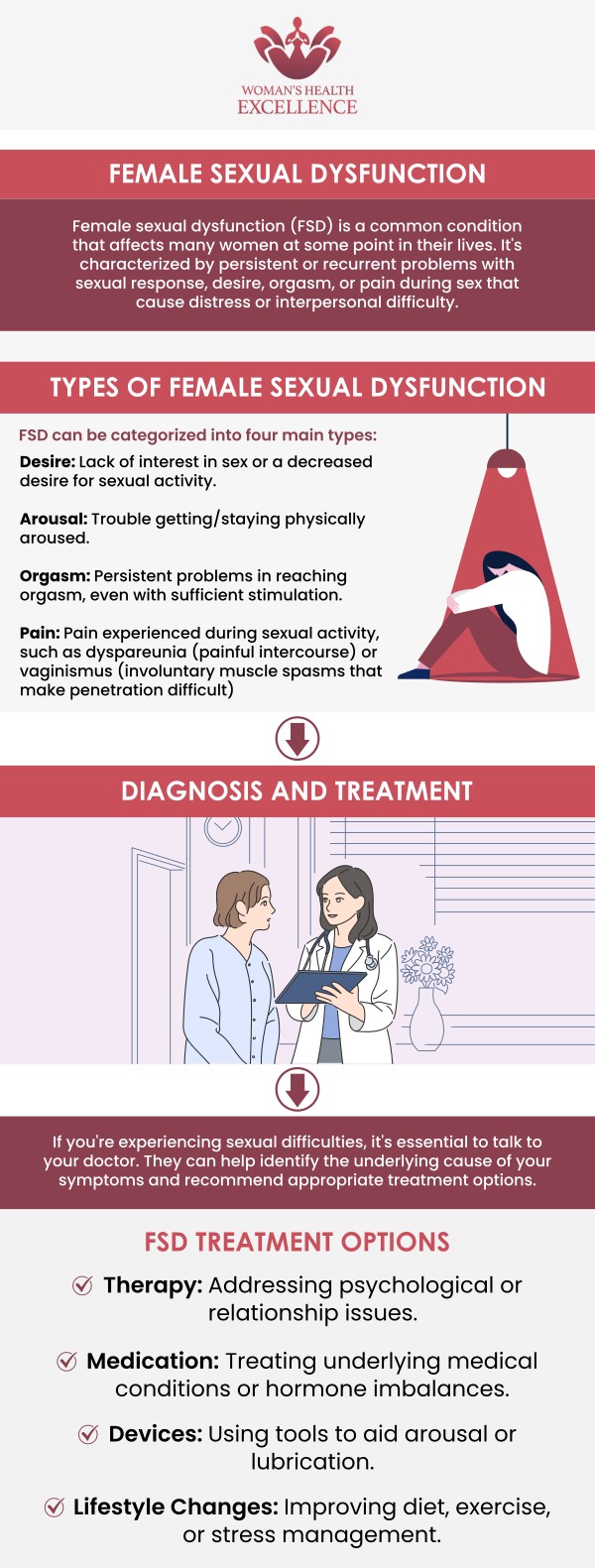
Table of Contents:
How is female sexual dysfunction diagnosed by a specialist?
What treatment options are available for female sexual dysfunction?
Can hormonal imbalances contribute to sexual dysfunction in women?
How do lifestyle factors affect female sexual health and desire?
Understanding FSD with Kothandaraman Approach in Glendale, CA
At The OB-Gyn & Incontinence Center, our specialists are dedicated to providing compassionate, expert care for women experiencing concerns related to sexual health and function. When a patient comes to us for evaluation of possible female sexual dysfunction, our process begins with a thorough and confidential conversation about her medical, sexual, and psychosocial history. We ask detailed questions to understand the specific nature of the problem—such as when symptoms began, their frequency, and the situations in which they occur. Areas we explore include sexual desire, arousal, orgasm, pain during intercourse, and any distress these symptoms may be causing.
Because conditions such as urinary incontinence, pelvic organ prolapse, and gynecological disorders can contribute to sexual difficulties, our team reviews any existing medical issues, medications, or hormonal changes that might be involved. We also consider psychological and emotional factors, including mood, relationship concerns, past trauma, and stress, as these can significantly impact sexual well-being.
A comprehensive physical examination is performed, often including a pelvic exam, to identify any anatomical or physiological issues—such as pelvic floor dysfunction, infections, tissue atrophy, or other gynecological concerns commonly treated at our practice. If appropriate, laboratory tests may be recommended to check hormone levels or rule out other underlying medical conditions.
To ensure we fully understand your experience, we may use validated questionnaires or self-report scales designed to assess the type and severity of sexual dysfunction. Throughout the evaluation, our team strives to create a supportive and non-judgmental environment, encouraging open communication and trust. This holistic approach allows us to accurately identify the underlying causes of your symptoms and develop a personalized, effective treatment plan—helping you restore your sexual health, confidence, and quality of life.
At The OB-Gyn & Incontinence Center, we understand that female sexual dysfunction is a complex and sensitive issue affecting many women. Problems such as low sexual desire, difficulty with arousal, trouble achieving orgasm, or pain during intercourse can significantly impact your quality of life and relationships. Our team is dedicated to providing compassionate, comprehensive care tailored to your unique needs.
As specialists in women’s health, we begin with a thorough evaluation to identify any underlying medical conditions that may contribute to sexual dysfunction—such as hormonal imbalances, menopause, diabetes, thyroid disorders, or side effects from medications. Our experienced OB-Gyns and nurse practitioners can review your medications and, if necessary, make adjustments to minimize negative effects on your sexual health.
For women experiencing symptoms related to menopause or hormonal changes, we offer both systemic and localized estrogen therapies to improve vaginal lubrication and elasticity, reducing pain during intercourse. In selected cases, testosterone therapy may be considered and monitored closely.
Painful intercourse and sexual dysfunction are often linked to pelvic floor issues—a core area of expertise at our Center. We offer specialized pelvic floor physical therapy to help strengthen your pelvic muscles, relieve discomfort, and enhance sexual function. Our team also addresses incontinence, which can further affect intimacy and quality of life.
We recognize the important role psychological and relationship factors play in sexual health. Our providers can refer you to experienced counselors or sex therapists to address issues such as anxiety, depression, past trauma, or communication difficulties with your partner. We also guide you in adopting healthy lifestyle changes, including regular exercise, stress management, quitting smoking, and maintaining a healthy diet, all of which support sexual well-being.
At The OB-Gyn & Incontinence Center, we believe every woman deserves a personalized approach to sexual health. We encourage open communication and are committed to working with you to find effective solutions that restore your confidence and improve your intimate relationships.
Hormonal imbalances can play a significant role in sexual dysfunction in women—a concern we frequently address at The OB-Gyn & Incontinence Center. Key hormones such as estrogen, progesterone, and testosterone help regulate sexual arousal and overall reproductive health. When these hormone levels become imbalanced, women may experience issues such as reduced libido, difficulty with arousal, vaginal dryness, and even pain during intercourse.
For example, many women experience a natural decline in estrogen during menopause, which can lead to vaginal dryness and thinning of the vaginal walls. These changes can cause discomfort during sexual activity, making intimacy less pleasurable. Low testosterone levels—though often associated with men—can also affect women by reducing sexual desire and satisfaction. Additionally, conditions we diagnose and treat at our practice, such as polycystic ovary syndrome (PCOS), thyroid disorders, and hyperprolactinemia, can disrupt normal hormone levels and contribute to sexual dysfunction.
These physical symptoms are often accompanied by changes in mood, energy levels, and self-esteem, all of which impact sexual wellbeing. At The OB-Gyn & Incontinence Center, we understand how interconnected these issues are. Our team is dedicated to helping women identify and address underlying hormonal imbalances. By offering comprehensive evaluations and personalized treatment options, we aim to restore sexual health and enhance quality of life for our patients.
At The OB-Gyn & Incontinence Center, we recognize that a woman’s sexual health and pelvic well-being are deeply influenced by her lifestyle choices. Understanding these connections can empower women to take charge of their overall health and improve concerns ranging from sexual function to incontinence.
Regular exercise not only boosts overall health, mood, and body confidence, but also strengthens the pelvic floor muscles. Strong pelvic muscles are essential for both sexual satisfaction and bladder control. In contrast, a sedentary lifestyle can contribute to weakened pelvic support, increasing the risk of urinary incontinence and diminished sexual desire.
A diet rich in whole grains, lean proteins, healthy fats, fruits, and vegetables supports heart health, balances hormones, and aids in maintaining a healthy weight—all crucial for both sexual function and bladder health. Excessive intake of processed foods, sugar, or alcohol can predispose women to obesity, diabetes, and hormonal imbalances, potentially worsening symptoms of incontinence and reducing sexual desire.
Quality sleep is vital for hormone regulation, energy, and mood, all of which influence both sexual health and urinary function. Poor sleep and chronic stress can disturb hormonal balance, reduce libido, and exacerbate incontinence symptoms. Incorporating stress-management techniques such as mindfulness, yoga, or meditation can help support sexual wellness and bladder control.
Smoking and excessive alcohol use can impair blood flow, decrease hormone levels, and damage pelvic tissues, making both sexual activity and bladder control more challenging. Smoking is a known risk factor for urinary incontinence and sexual dysfunction due to its effects on vascular health.
At The OB-Gyn & Incontinence Center, we encourage women to embrace healthy habits—regular exercise (including pelvic floor training), balanced nutrition, stress reduction, restorative sleep, and avoidance of harmful substances—to support both sexual health and pelvic function. If you’re experiencing concerns with sexual health or incontinence, our team is here to provide compassionate, expert care and guidance.
Many women struggle in silence, but help is available from Dr. Prema Kothandaraman, a leading female sexual dysfunction treatment specialist in Glendale, CA. At The OB-Gyn & Incontinence Center, Dr. Kothandaraman emphasizes education and understanding. She meticulously identifies underlying causes, which may include menopause, stress, medication side effects, or pelvic floor disorders, ensuring that treatment targets the precise root of the dysfunction. For more information, contact us or book an appointment online. We are conveniently located at 1505 Wilson Terrace #320, Glendale, CA 91206. We serve patients from Glendale CA, Psadena CA, Alhambra CA, Arcadia CA, Burbank CA, San Marino CA, Altadena CA and surrounding areas.
Check Out Our 5 Star Reviews



Additional Services You May Need
▸ Urogynecology
▸ Minimally Invasive Gynecology
▸ Monalisa & Medical Aesthetics
▸ Bioidentical Hormone Replacement Therapy
▸ Urinary Incontinence
▸ Pelvic Organ Prolapse
▸ Painful Bladder
▸ Urinary Tract Infection
▸ Genitourinary Syndrome of Menopause
▸ Female Sexual Dysfunction
▸ Urinary Retention
▸ Vaginal Laxity & Prolapse
▸ Postpartum Pelvic Floor Problems
▸ PCOD
▸ Bladder Prolapse Repair
▸ Urgent PC
▸ Fibroids
▸ Excessive Bleeding
▸ Pelvic Pain
▸ Birth Control & IUD
▸ Vaginal & Pelvic Infection
▸ Monalisa Touch
▸ STD
▸ TempsureVitalia
▸ Biote Pellet Therapy
▸ Topical BHRT
▸ Flexsure
▸ Rectal Prolapse Repair
▸ Tempsure ENVI
▸ Minimally Invasive Pelvic Surgery for Incontinence


 Send Text
 How May I Help You?