

What are the Common Symptoms of Vaginal Atrophy?
Vaginal atrophy, also known as genitourinary syndrome of menopause, occurs when the vaginal tissues become thinner, drier, and less elastic due to a decline in estrogen levels. The most common symptoms include vaginal dryness, itching, and discomfort during intercourse, known as dyspareunia. At The OB-Gyn & Incontinence Center, Dr. Prema Kothandaraman and her team specialize in providing personalized care to manage the symptoms and sexual health impacts of vaginal atrophy. With a focus on both immediate relief and long-term solutions, we work closely with you to improve your comfort and well-being. For more information, contact us or schedule an appointment online. We are conveniently located at 1505 Wilson Terrace #320, Glendale, CA 91206.
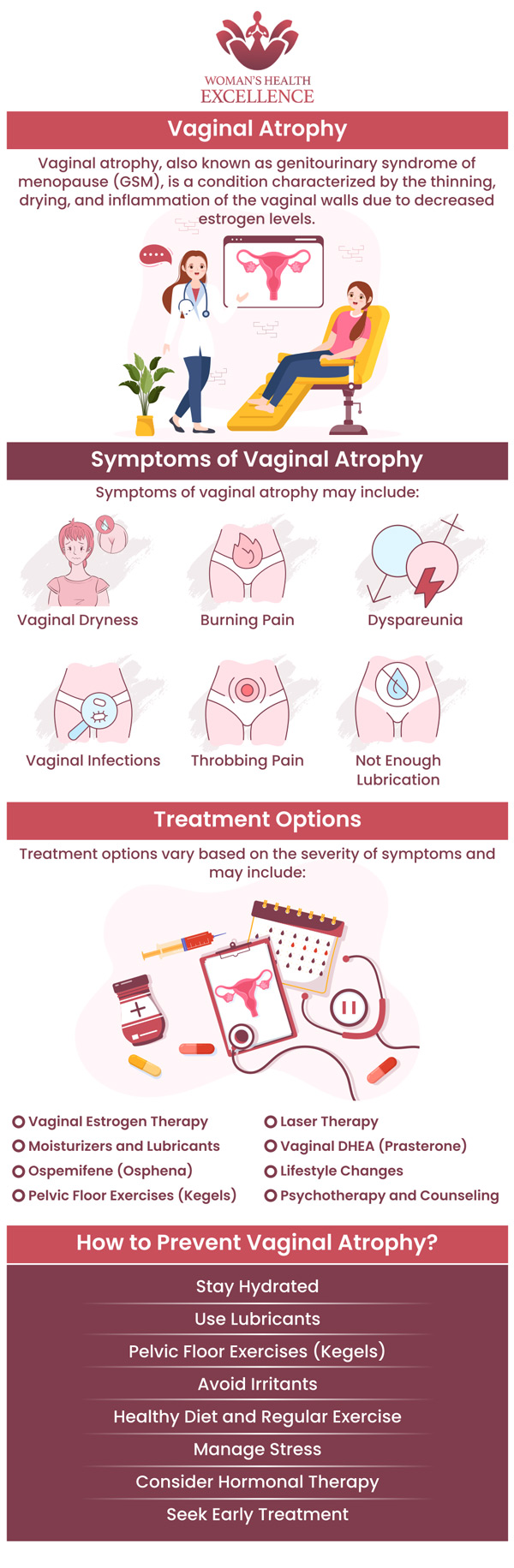
Table of Contents:
What are the common symptoms of vaginal atrophy?
How do hormonal changes lead to vaginal atrophy?
Can vaginal atrophy affect my urinary health?
Is vaginal atrophy painful?
Can vaginal atrophy occur before menopause?
Does vaginal atrophy go away on its own?
Can vaginal atrophy cause bleeding after intercourse?
What is the difference between vaginal atrophy and a vaginal infection?
Can vaginal atrophy affect sexual health?
How Does Dr. Prema Kothandaraman Help Women Manage Vaginal Atrophy Symptoms?
Medical References
Symptoms can develop gradually and may become more noticeable over time. Some women experience mild irritation, while others have persistent discomfort that affects intimacy and daily activities.
Common symptoms include:
● Vaginal dryness: Reduced natural moisture can cause discomfort throughout the day or during sexual activity.
● Vaginal burning and itching: Thinner, more sensitive tissues may lead to irritation around the vagina and vulva.
● Pain during intercourse: Reduced lubrication and tissue elasticity can make penetration uncomfortable or painful.
● Vaginal irritation or discharge: Some women experience unusual discharge, soreness, or a feeling of irritation.
● Light bleeding or spotting: Fragile vaginal tissues may bleed after intercourse or during an examination.
● Urinary changes: Frequent urination, sudden urges to urinate, discomfort while urinating, or recurring urinary tract infections may occur.
Not every woman experiences all these symptoms. Their severity can vary, and similar symptoms may also be caused by vaginal infections, skin conditions, or other gynecologic concerns. A medical evaluation can help identify the underlying cause.
Estrogen helps maintain the thickness, moisture, elasticity, and natural balance of vaginal tissues. When estrogen levels decline, these tissues may become thinner, drier, and less flexible.
This change commonly occurs during perimenopause and menopause. However, vaginal atrophy can also develop after surgical removal of the ovaries, certain cancer treatments, or other medical conditions that lower estrogen levels.
As estrogen decreases, several changes may occur:
● The vaginal lining becomes thinner and more sensitive.
● Natural vaginal lubrication decreases.
● Vaginal elasticity may decline.
● The vaginal environment changes, potentially affecting its natural protective bacteria.
● The tissues surrounding the urethra and bladder may also be affected.
These changes can contribute to genitourinary syndrome of menopause (GSM), which includes vaginal, vulvar, sexual, and urinary symptoms.
Vaginal atrophy is not simply a temporary concern that disappears after menopause. Symptoms may continue or become more noticeable without appropriate care. Discussing hormonal changes with a gynecologist can help determine which management options are appropriate.
Yes. Declining estrogen levels can affect the tissues surrounding the urethra and bladder, contributing to urinary symptoms associated with GSM.
Some women experience:
● Increased urinary frequency.
● Sudden or frequent urges to urinate.
● Burning or discomfort during urination.
● Recurrent urinary tract infections (UTIs).
● Changes in bladder comfort and control.
These symptoms can sometimes resemble a urinary tract infection. However, not every episode of urinary discomfort is caused by an infection or vaginal atrophy.
Dr. Prema Kothandaraman, MD, FACOG, provides gynecology and urogynecology care at The OB-Gyn & Incontinence Center, including care for urinary incontinence, bladder concerns, and genitourinary syndrome of menopause.
An evaluation may include reviewing urinary symptoms, medical history, and a physical examination. Urine testing may also be recommended when an infection is suspected. Identifying the cause is important because treatment for vaginal tissue changes may differ from treatment for a bacterial infection.
Vaginal atrophy can cause pain, but the level of discomfort varies. Some women experience mild dryness or itching, while others develop persistent irritation or painful intercourse.
Pain may occur because thinner vaginal tissues have less natural lubrication and elasticity. Friction during sexual activity can irritate these sensitive tissues and sometimes cause small areas of bleeding.
Other possible sources of discomfort include:
● Burning or soreness around the vaginal opening.
● Pain during penetration.
● Irritation when wearing tight clothing.
● Discomfort during pelvic examinations.
● Burning sensations during urination.
These symptoms should not automatically be attributed to menopause. Vaginal infections, pelvic floor conditions, and other gynecologic problems can cause similar discomfort.
Persistent pain, unusual discharge, or unexplained bleeding deserves medical attention. Any vaginal bleeding after menopause, including spotting, should be evaluated promptly rather than assumed to be caused by vaginal atrophy.
Frequently Asked Questions
Yes. Vaginal atrophy can occur before menopause when estrogen levels decrease. Certain cancer treatments, ovarian surgery, and some medical conditions can contribute to lower estrogen levels. Women experiencing vaginal dryness, irritation, or painful intercourse before menopause should discuss these symptoms with a healthcare professional.
Vaginal atrophy symptoms may persist or become more noticeable over time because estrogen levels generally remain lower after menopause. However, effective management options are available. A gynecologist can help determine the cause of symptoms and discuss appropriate treatment based on individual health needs.
Yes. Thinner, more fragile vaginal tissues can become irritated during intercourse and may cause light bleeding or spotting. However, bleeding can also have other causes, including infection, cervical conditions, or changes in the uterine lining. Postmenopausal bleeding should always receive prompt medical evaluation.
Vaginal atrophy is generally related to reduced estrogen levels, while vaginal infections are caused by organisms such as bacteria, yeast, or certain parasites. Both can cause irritation, burning, and unusual discharge. A medical evaluation can help distinguish between them and guide appropriate care.
Yes. Vaginal dryness, reduced elasticity, and tissue sensitivity can make intercourse uncomfortable or painful. These changes may also affect sexual confidence and intimacy. Discussing symptoms with a gynecologist can help identify appropriate options for improving comfort and supporting sexual health.
Dr. Prema Kothandaraman, MD, FACOG, provides personalized gynecology and urogynecology care at The OB-Gyn & Incontinence Center. Her medical training includes an internship at Yale University, an OB-GYN residency at Mount Sinai Medical Center in New York, and fellowship training in Urogynecology and Pelvic Health at Cleveland Clinic. Her clinical focus includes menopause-related concerns, genitourinary syndrome of menopause, urinary incontinence, pelvic organ prolapse, and bladder conditions.
For women experiencing vaginal dryness, irritation, painful intercourse, or urinary changes, Dr. Kothandaraman evaluates symptoms and medical history to identify possible causes and discuss appropriate management options. Through the practice’s menopause and pelvic health services, patients can receive individualized guidance about vaginal atrophy and related concerns. Treatment recommendations are based on each patient’s symptoms, health history, and individual needs.
For more information, contact us or schedule an appointment online. We are conveniently located at 1505 Wilson Terrace #320, Glendale, CA 91206. We serve patients from Glendale, CA, Pasadena, CA, Alhambra, CA, Arcadia, CA, Burbank, CA, San Marino, CA, and Altadena, CA.
American College of Obstetricians and Gynecologists (ACOG) – Vulvovaginal Health.
U.S. Department of Health and Human Services, Office on Women’s Health – Menopause Symptoms and Relief.
American College of Obstetricians and Gynecologists (ACOG) – Vaginitis.
U.S. Food and Drug Administration (FDA) – Menopausal Hormone Therapies with Updated Prescribing Information.
Check Out Our 5 Star Reviews



Additional Services You May Need
▸ Urogynecology
▸ Minimally Invasive Gynecology
▸ Monalisa & Medical Aesthetics
▸ Bioidentical Hormone Replacement Therapy
▸ Urinary Incontinence
▸ Pelvic Organ Prolapse
▸ Painful Bladder
▸ Urinary Tract Infection
▸ Genitourinary Syndrome of Menopause
▸ Female Sexual Dysfunction
▸ Urinary Retention
▸ Vaginal Laxity & Prolapse
▸ Postpartum Pelvic Floor Problems
▸ PCOD
▸ Bladder Prolapse Repair
▸ Urgent PC
▸ Fibroids
▸ Excessive Bleeding
▸ Pelvic Pain
▸ Birth Control & IUD
▸ Vaginal & Pelvic Infection
▸ Monalisa Touch
▸ STD
▸ TempsureVitalia
▸ Biote Pellet Therapy
▸ Topical BHRT
▸ Flexsure
▸ Rectal Prolapse Repair
▸ Tempsure ENVI
▸ Minimally Invasive Pelvic Surgery for Incontinence


 Send Text
 How May I Help You?