

What Are the Early Warning Signs of Vaginismus in Women?
At The OB-GYN & Incontinence Center in Arcadia, Dr. Prema Kothandaraman provides compassionate evaluation and personalized care for women experiencing the early warning signs of vaginismus. Symptoms such as pain during penetration, involuntary pelvic muscle tightening, fear of intimacy, difficulty using tampons, or discomfort during gynecological exams should not be ignored. Early diagnosis can help improve comfort, confidence, and quality of life through individualized treatment plans. For more information, contact us today or book an appointment. We are conveniently located at 622 W Duarte Rd Ste 305, Arcadia, CA 91007.
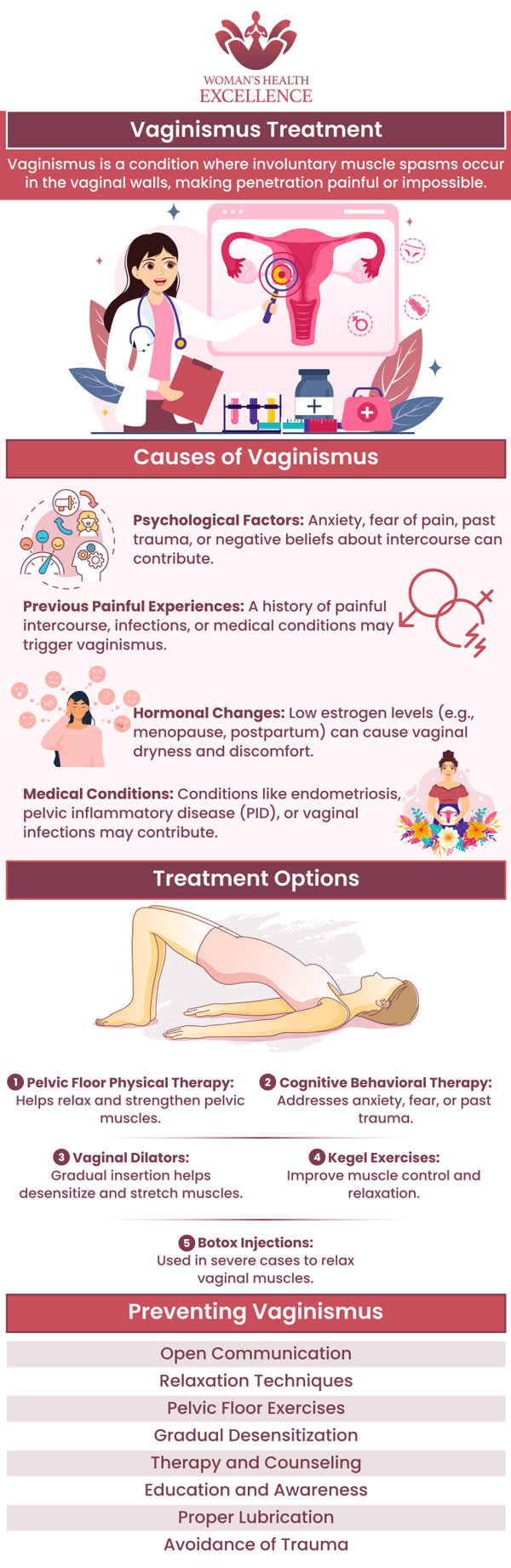
Table of Contents:
What physical symptoms might indicate vaginismus?
How does pain during penetration manifest in vaginismus?
Can tight pelvic muscles be an early sign of vaginismus?
Are there emotional or psychological indicators of vaginismus?
How can difficulty with tampons or gynecological exams signal vaginismus?
How can The OB-GYN & Incontinence Center help women identify early warning signs and begin appropriate treatment?
The early physical signs of vaginismus often include involuntary tightening of the pelvic floor muscles whenever vaginal penetration is attempted. Women may experience burning, stinging, aching, or sharp discomfort during intercourse, tampon insertion, or pelvic examinations. These symptoms can vary in intensity and may occur even when there is no visible injury or infection.
Some women notice that penetration becomes difficult or impossible because the muscles surrounding the vaginal opening tighten automatically. Others may experience persistent pelvic discomfort or anxiety before any attempt at penetration, even when they want to engage in intimacy.
At The OB-GYN & Incontinence Center, women receive a compassionate evaluation to identify whether these symptoms may be related to vaginismus or another pelvic health condition. Early recognition allows treatment to begin before symptoms become more severe or interfere with daily life.
Pain associated with vaginismus often occurs immediately when penetration is attempted. Many women describe the sensation as burning, sharp, stabbing, tearing, or feeling as though they are “hitting a wall.” The discomfort may stop shortly after the attempt ends or continue for some time afterward.
The pain develops because the pelvic floor muscles contract involuntarily, making penetration uncomfortable or impossible. This response is automatic and not something a woman can consciously control.
A thorough evaluation helps determine whether vaginismus is contributing to painful intercourse and allows healthcare providers to recommend personalized treatment strategies that improve comfort and confidence.
Yes. Persistent tightening of the pelvic floor muscles is one of the hallmark early signs of vaginismus. These muscles may contract automatically whenever penetration is anticipated or attempted, even when the woman wishes to relax.
Over time, repeated muscle guarding can contribute to ongoing discomfort, increased sensitivity, and greater difficulty with intimacy or medical examinations. The muscles may remain tense because the body has developed a protective response to pain or anticipated discomfort.
Early pelvic floor assessment helps identify abnormal muscle activity and guides individualized treatment designed to improve relaxation, flexibility, and overall pelvic function.
Yes. Many women with vaginismus experience emotional responses alongside their physical symptoms. Fear of pain, anxiety before intimacy, embarrassment, frustration, or avoiding sexual activity altogether may develop as symptoms continue.
These emotional responses do not cause vaginismus by themselves but can contribute to a cycle in which anxiety increases muscle tension, making symptoms more noticeable over time. Every woman’s experience is unique, and emotional concerns deserve the same compassionate attention as physical symptoms.
Supportive care often includes education, counseling recommendations when appropriate, and individualized treatment plans that address both physical and emotional well-being.
Women who have difficulty inserting tampons or experience significant discomfort during routine pelvic examinations may be experiencing one of the earliest warning signs of vaginismus. The pelvic floor muscles may tighten involuntarily before insertion, making even routine activities uncomfortable.
Some women avoid gynecological appointments because they anticipate pain or fear unsuccessful examinations. Others may never have been able to comfortably use tampons despite repeated attempts.
Identifying these symptoms early allows healthcare providers to perform gentle evaluations, explain what is happening, and recommend treatment options that help patients become more comfortable with necessary medical care.
At The OB-GYN & Incontinence Center, Dr. Prema Kothandaraman carefully evaluates symptoms, medical history, pelvic floor function, and individual concerns to determine whether vaginismus may be contributing to discomfort. Every evaluation is performed with sensitivity, privacy, and respect for the patient’s comfort level.
Treatment plans are personalized and may include pelvic floor physical therapy referrals, relaxation techniques, vaginal dilator therapy, education, counseling recommendations when appropriate, and additional therapies based on each patient’s needs and goals.
Early diagnosis often leads to more successful outcomes by helping women address symptoms before they significantly affect relationships, confidence, reproductive care, or overall quality of life. For more information, contact us today or book an appointment. We are conveniently located at 622 W Duarte Rd Ste 305 Arcadia, CA 91007. We serve patients from Arcadia CA, Temple City CA, East San Gabriel CA, San Marino CA, Rosemead CA, Monrovia CA, North El Monte CA, Alhambra CA, and Pasadena CA.
Check Out Our 5 Star Reviews



Additional Services You May Need
▸ Urogynecology
▸ Minimally Invasive Gynecology
▸ Monalisa & Medical Aesthetics
▸ Bioidentical Hormone Replacement Therapy
▸ Urinary Incontinence
▸ Pelvic Organ Prolapse
▸ Painful Bladder
▸ Urinary Tract Infection
▸ Genitourinary Syndrome of Menopause
▸ Female Sexual Dysfunction
▸ Urinary Retention
▸ Vaginal Laxity & Prolapse
▸ Postpartum Pelvic Floor Problems
▸ PCOD
▸ Bladder Prolapse Repair
▸ Urgent PC
▸ Fibroids
▸ Excessive Bleeding
▸ Pelvic Pain
▸ Birth Control & IUD
▸ Vaginal & Pelvic Infection
▸ Monalisa Touch
▸ STD
▸ TempsureVitalia
▸ Biote Pellet Therapy
▸ Topical BHRT
▸ Flexsure
▸ Rectal Prolapse Repair
▸ Tempsure ENVI
▸ Minimally Invasive Pelvic Surgery for Incontinence


 Send Text
 How May I Help You?