

Can Vaginismus Be Treated or Fully Reversed?
At The OB-GYN & Incontinence Center in Arcadia, Dr. Prema Kothandaraman provides compassionate, individualized care for women seeking effective treatment for vaginismus. Through a comprehensive evaluation, patients receive personalized treatment plans that may include pelvic floor therapy, education, counseling, and other evidence-based approaches designed to improve comfort, reduce pain, and restore confidence. For more information, contact us today or book an appointment. We are conveniently located at 622 W Duarte Rd Ste 305, Arcadia, CA 91007.
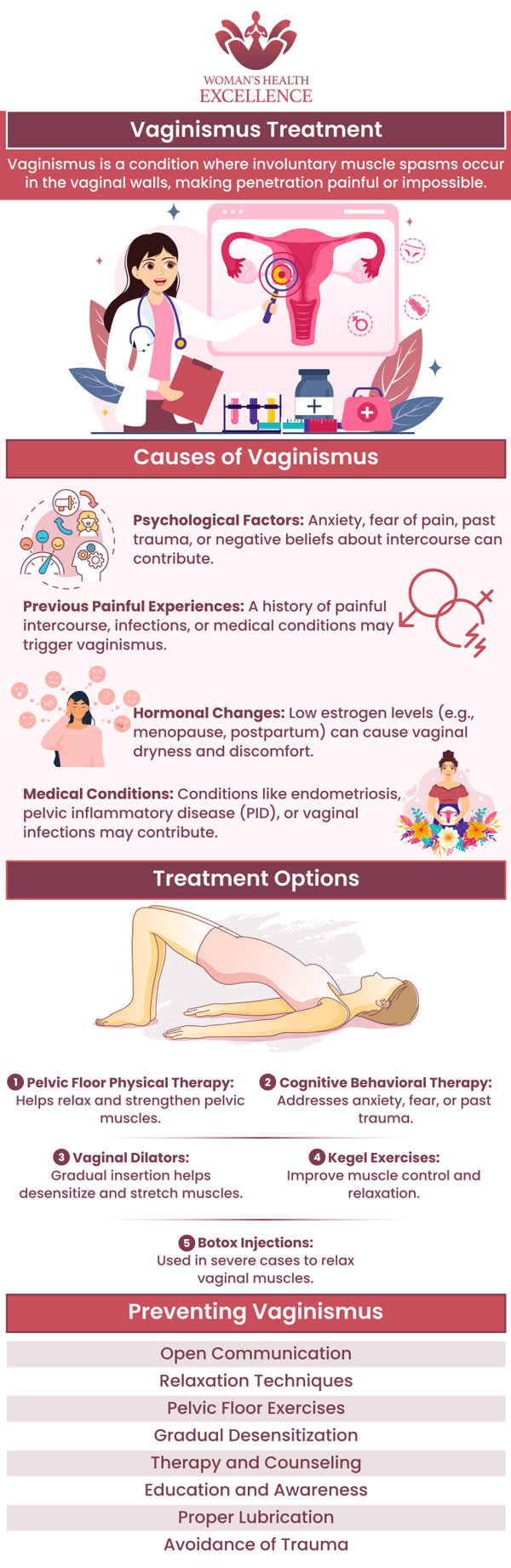
Table of Contents:
What treatment options are available for vaginismus?
How effective are physical therapy and pelvic floor exercises for vaginismus?
Can counseling or therapy help in reversing vaginismus?
Are medical interventions or medications sometimes required?
How long does it typically take to overcome vaginismus with treatment?
How can The OB-GYN & Incontinence Center create a personalized plan to effectively treat and reverse vaginismus?
Vaginismus is a highly treatable condition, and treatment is tailored to each woman’s symptoms, medical history, and personal goals. Most care plans focus on reducing involuntary pelvic floor muscle tension while improving comfort and confidence with vaginal penetration.
Treatment may include pelvic floor physical therapy, vaginal dilator therapy, relaxation techniques, breathing exercises, education about pelvic anatomy, behavioral strategies, and counseling when emotional factors contribute to symptoms. Healthcare providers often combine several therapies to achieve the best results.
At The OB-GYN & Incontinence Center, women receive individualized care that addresses both the physical and emotional aspects of vaginismus to support long-term improvement and overall pelvic health.
Pelvic floor physical therapy is considered one of the most effective treatments for vaginismus. Specialized therapists help patients learn how to recognize muscle tension, improve muscle coordination, and gradually relax the pelvic floor during daily activities and vaginal penetration.
Treatment often includes manual therapy, guided stretching, breathing exercises, biofeedback, relaxation techniques, and carefully supervised home exercises. These therapies help reduce involuntary muscle contractions while improving flexibility and control.
Many women notice gradual improvement as therapy progresses, especially when treatment is started early and combined with other supportive therapies recommended by their healthcare provider.
Yes. Counseling or psychotherapy can play an important role for women whose vaginismus is associated with anxiety, fear of pain, previous traumatic experiences, relationship concerns, or emotional stress surrounding intimacy.
Therapy provides a safe environment to address emotional barriers while developing healthier coping strategies and reducing anxiety related to vaginal penetration. Cognitive behavioral therapy and sex therapy are commonly recommended depending on each patient’s individual needs.
Combining emotional support with physical treatment often leads to greater confidence and improved long-term outcomes because both the physical and psychological components of vaginismus are addressed together.
Some women benefit from medical interventions depending on the underlying causes contributing to their symptoms. If hormonal changes, infections, skin disorders, menopause-related vaginal dryness, or chronic pelvic pain are present, treating those conditions may improve symptoms.
In selected cases, healthcare providers may recommend topical medications, vaginal moisturizers, hormonal therapy when appropriate, or additional medical treatments that complement pelvic floor rehabilitation. These interventions are individualized rather than routinely required for every patient.
The goal is always to identify the specific factors contributing to vaginismus and recommend treatments that are appropriate for each woman’s overall health and symptoms.
Recovery time varies from person to person because every woman’s symptoms, muscle function, medical history, and treatment goals are different. Some patients notice meaningful improvement within several weeks, while others benefit from several months of consistent therapy.
Successful treatment depends on regular participation in recommended exercises, attendance at therapy sessions, open communication with healthcare providers, and addressing both physical and emotional contributors to symptoms.
Progress is usually gradual, with many women experiencing increasing comfort, reduced anxiety, and improved confidence as treatment continues.
At The OB-GYN & Incontinence Center, Dr. Prema Kothandaraman begins with a thorough evaluation of symptoms, pelvic floor function, medical history, and each patient’s individual concerns. This comprehensive assessment helps identify the factors contributing to vaginismus and guides treatment recommendations.
Personalized care plans may include pelvic floor physical therapy referrals, vaginal dilator training, education, behavioral techniques, counseling recommendations, treatment for underlying medical conditions, and ongoing follow-up to monitor progress.
Our goal is to help women regain comfort, confidence, and control through compassionate, individualized care for vaginismus that supports long-term pelvic health and improved quality of life. For more information, contact us today or book an appointment. We are conveniently located at 622 W Duarte Rd Ste 305 Arcadia, CA 91007. We serve patients from Arcadia CA, Temple City CA, East San Gabriel CA, San Marino CA, Rosemead CA, Monrovia CA, North El Monte CA, Alhambra CA, and Pasadena CA.
Check Out Our 5 Star Reviews



Additional Services You May Need
▸ Urogynecology
▸ Minimally Invasive Gynecology
▸ Monalisa & Medical Aesthetics
▸ Bioidentical Hormone Replacement Therapy
▸ Urinary Incontinence
▸ Pelvic Organ Prolapse
▸ Painful Bladder
▸ Urinary Tract Infection
▸ Genitourinary Syndrome of Menopause
▸ Female Sexual Dysfunction
▸ Urinary Retention
▸ Vaginal Laxity & Prolapse
▸ Postpartum Pelvic Floor Problems
▸ PCOD
▸ Bladder Prolapse Repair
▸ Urgent PC
▸ Fibroids
▸ Excessive Bleeding
▸ Pelvic Pain
▸ Birth Control & IUD
▸ Vaginal & Pelvic Infection
▸ Monalisa Touch
▸ STD
▸ TempsureVitalia
▸ Biote Pellet Therapy
▸ Topical BHRT
▸ Flexsure
▸ Rectal Prolapse Repair
▸ Tempsure ENVI
▸ Minimally Invasive Pelvic Surgery for Incontinence


 Send Text
 How May I Help You?